The best time to visit Aruba depends less on the weather than on what you want from the trip. The island is warm, dry and breezy all year, so the real choice is between peak-season energy, shoulder-season value and the quiet, cheaper weeks of fall. This guide breaks down Aruba weather month by month using official climate data, then shows how crowds, prices, events and wind change through the year so you can pick dates that fit your budget and your plans.
Quick answer: when is the best time to visit Aruba?
- Best overall value: mid-April through August. Rates fall, the weather stays sunny and the trade winds keep the heat comfortable.
- Driest stretch: February through June, when official averages show less than an inch of rain a month.
- Cheapest: September to mid-December, though this is also the island’s rainiest period.
- Most expensive and busiest: mid-December to mid-April, when North American winter drives demand.
- Calmest water for snorkeling: October and November, when average winds are at their lowest, with September close behind.
- Windiest: roughly April through July, the best window for kitesurfing and windsurfing.
Aruba weather by month: the numbers
Aruba sits in what the island’s meteorological department calls the Southern Caribbean Dry Zone, with a semi-arid hot climate and steady easterly winds. The table below converts the Departamento Meteorologico Aruba 1991–2020 climate averages into Fahrenheit, inches and miles per hour (figures rounded).
| Month | Avg high | Avg low | Rain | Rain days | Avg wind |
|---|---|---|---|---|---|
| January | 87°F | 77°F | 1.7 in | 11 | 16 mph |
| February | 87°F | 77°F | 0.8 in | 5 | 17 mph |
| March | 88°F | 78°F | 0.4 in | 2 | 18 mph |
| April | 89°F | 79°F | 0.3 in | 2 | 18 mph |
| May | 90°F | 80°F | 0.6 in | 2 | 19 mph |
| June | 91°F | 80°F | 0.7 in | 3 | 20 mph |
| July | 90°F | 80°F | 1.2 in | 4 | 18 mph |
| August | 92°F | 81°F | 0.8 in | 3 | 18 mph |
| September | 92°F | 81°F | 1.7 in | 3 | 15 mph |
| October | 90°F | 80°F | 3.0 in | 7 | 13 mph |
| November | 89°F | 79°F | 3.4 in | 10 | 13 mph |
| December | 87°F | 78°F | 3.2 in | 11 | 15 mph |
Rain days count days with at least 1 mm (about 0.04 in) of rain, so most are brief showers rather than washed-out afternoons. The annual average is about 17.8 inches, which is very little for the Caribbean. The temperature range across the whole year is only about five degrees, which is why the “best” month question is really about crowds, cost and wind.
Aruba’s seasons at a glance
| Season | Months | Weather | Crowds and prices | Good for |
|---|---|---|---|---|
| High season | Mid-Dec to mid-Apr | Dry from February, breezy, slightly cooler | Highest rates, busiest beaches and restaurants | Escaping winter, Carnival |
| Shoulder season | Mid-Apr to August | Driest and windiest stretch, hottest late summer | Lower rates, mixed international crowd | Value, wind sports, long days |
| Fall | September to mid-Dec | Lightest winds, more showers from October | Cheapest, quietest | Budget trips, snorkeling, diving |
High season: mid-December to mid-April
Lonely Planet points out that Aruba’s peak season is driven by cold weather in North America rather than anything happening on the island. Expect the highest hotel rates of the year and plan to book several months out, especially around the winter holidays.
The weather is excellent. January and December still carry some leftover showers from the rainy season, but February through April are dry, sunny and breezy. Nights are a touch cooler, with average lows in the upper 70s.
The big cultural draw is Aruba Carnival. In 2026 the official season ran from January 3 to February 16, with the Grand Carnival Parade in Oranjestad on February 15, according to Aruba.com. Dates change each year, so check the official schedule before you book.
Shoulder season: mid-April to August
For most travelers this is the sweet spot. Lonely Planet estimates lodging rates drop by about 20 to 30 percent after mid-April. The crowd also changes: fewer flights come from North America, and more visitors arrive from Europe and South America, although US travelers likely still make up the majority.
The weather is the driest and sunniest of the year from April through June. It also gets windier, with average speeds near 18 to 20 mph. That breeze is the reason 90°F afternoons feel manageable, but it can make the water choppier on exposed beaches. On the windiest days, the calmer, sheltered beaches are the better choice for swimming and snorkeling.
Wind lovers should look at late spring. Aruba Hi-Winds is usually held in late spring or early summer (the 2026 edition ran May 13–18); check this year’s dates. In 2026 it took place on Sara-Quita Beach in the Palm Beach area, with windsurfing, kitesurfing and wingfoil events that spectators could watch for free, according to VisitAruba. Read our guide to windsurfing and kitesurfing in Aruba if you want to try it yourself.
Fall: September to mid-December
This is Aruba’s cheapest window. Lonely Planet estimates rates can run up to about half of winter peak prices. Beaches, restaurants and attractions are noticeably quieter, and groups on tours tend to be smaller, although some excursions may run on fewer days each week.
Two things change. First, the wind drops: October and November average around 13 mph, the calmest months on the island, with September close behind. That makes fall a strong pick for snorkeling and diving, since lighter wind means less surface chop. Second, it gets rainier. Official averages show about 3 inches of rain a month from October through December, mostly as short showers. Aruba’s official tourism site lists October to December as the rainy season, and the meteorological department describes a broader rainy period from September into January.
The Caribbean hurricane season also overlaps these months. Aruba is rarely affected, but you should understand the real risk before booking. Our guide to Aruba hurricane season covers the history and what nearby storms actually do to the island’s weather.
The best time to visit Aruba for your trip style
For beach days and swimming
Any month works, but February through June gives you the most reliably dry days. If you want calm, glassy water, look at October and November instead, with September close behind. Either way, stick to calmer, sheltered beaches for swimming. Our list of the best beaches in Aruba explains which ones are calmest.
For snorkeling and boat trips
Lighter winds in fall mean less surface chop, which makes for smoother rides. In the windier months, ask about sea conditions when you book. A morning snorkel sail is an easy way to reach reefs and wrecks that are hard to get to from shore, and it fits neatly into any season.
For saving money
Fall is cheapest, shoulder season is a close second, and the winter holiday weeks are the most expensive. Our Aruba on a budget guide has more ways to cut costs once you land.
For sunsets and photos
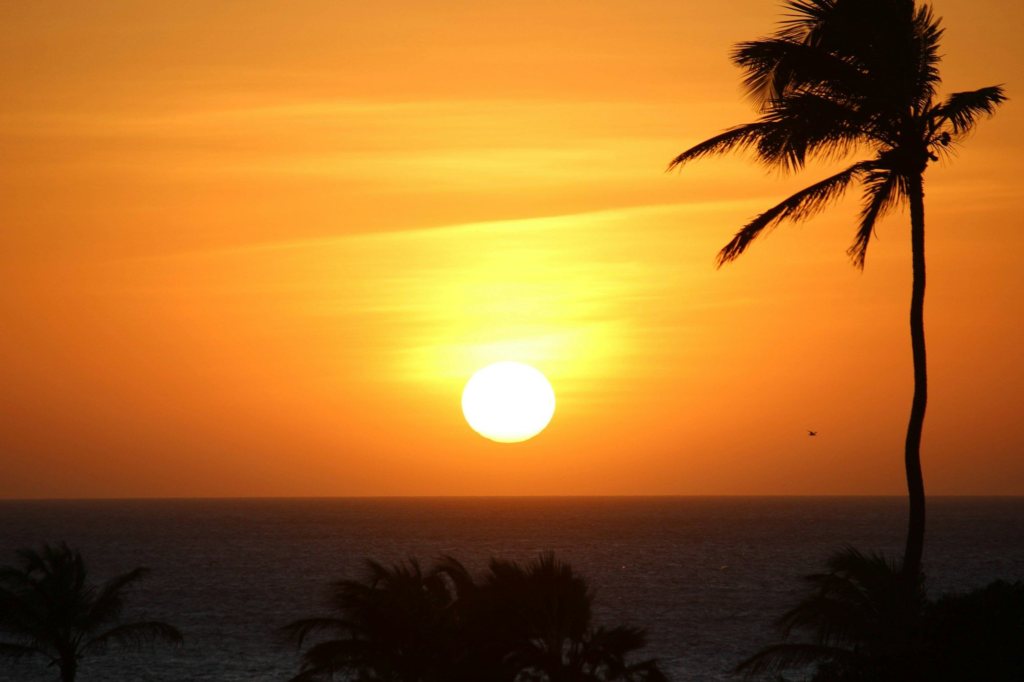
Aruba’s day length barely changes. According to the island’s 2026 sunrise and sunset table, sunset falls around 6:10 pm in late November and early December and around 7:10 pm in early July.
For wind sports
Average wind speed peaks in June, and the stretch from about March to August is consistently strong. That is prime time for kitesurfing and windsurfing around Palm Beach on the west coast, where the Hi-Winds event is held.
For events
Carnival fills January and February. Hi-Winds is usually held in late spring or early summer (the 2026 edition ran May 13–18); check this year’s dates. In fall, the 2026 ITF beach tennis Sand Series event in Aruba is scheduled for November 12–15 at Bushiri Beach in Oranjestad, according to the ITF. Event dates change from year to year, so confirm them before you plan around one.
Month-by-month notes
- January: Peak season and the start of Carnival. A few leftover showers, about 1.7 inches on average.
- February: Dry, breezy and busy. Carnival usually peaks this month.
- March: One of the driest months, still in high season.
- April: The driest month on average. Prices start to ease after mid-April.
- May: Dry, windy and good value. The 2026 Hi-Winds edition ran May 13–18.
- June: The windiest month on average and some of the longest days.
- July: Hot and breezy with a small bump in showers, and more European summer travelers.
- August: Among the hottest months, with highs averaging around 92°F.
- September: The wind eases. A good month for calm water and lower prices.
- October: Winds drop to among the lightest of the year (only November is calmer), and showers become more frequent.
- November: The rainiest month on average, about 3.4 inches, but still mostly sunny between showers.
- December: Quiet early in the month, then very busy and expensive over the holidays.
Practical tips for any month
- The sun is strong all year. The breeze hides how quickly you burn. Pack reef-friendly sunscreen, a hat and a cover-up. Our Aruba packing list has the details.
- Check the wind and the sea. The US State Department notes that the trade winds are strongest from January through August and can bring choppy water and strong currents to some beaches.
- Book peak dates early. Lonely Planet advises booking several months ahead for high season.
- Plan the island in the right order. If this is your first visit, our 5-day Aruba itinerary shows how to fit beaches, the north coast and town into a short stay.
FAQ
What is the cheapest month to go to Aruba?
September through mid-December is usually the cheapest period, with rates that can be well below winter peak prices. Early December, before the holiday rush, still falls inside that cheaper window.
What is the rainy season in Aruba?
Official averages show the most rain from October through December, about 3 inches a month. Showers are usually short, and Aruba’s annual rainfall of about 17.8 inches is low for the Caribbean.
What is the windiest month in Aruba?
June has the highest average wind speed, around 20 mph, based on the 1991–2020 climate averages. October and November are the calmest months.
Is Aruba too hot in summer?
Average highs reach about 90 to 92°F from May through October, but the steady trade winds make it feel more comfortable than the numbers suggest. Plan active outings for the morning and late afternoon.
When is Aruba Carnival?
Carnival runs in January and February. In 2026 it ran from January 3 to February 16, ending with the Grand Carnival Parade in Oranjestad. Dates shift each year, so check the official calendar.
Is hurricane season a reason to avoid Aruba?
Not usually. Aruba sits on the southern edge of the hurricane zone and direct hits are very rare, but passing storms can bring rain, rough seas or a sudden lack of wind. Buy travel insurance and follow official forecasts if you travel between June and November.
Sources
- Departamento Meteorologico Aruba – Climate Data
- Departamento Meteorologico Aruba – Climate Averages 1991–2020 (PDF)
- Departamento Meteorologico Aruba – Sunrise Sunset 2026 (PDF)
- Aruba.com – Weather and Climate
- Lonely Planet – Best Time to Visit Aruba
- Aruba.com – Aruba Carnival
- VisitAruba – Aruba Hi-Winds 2026
- ITF – Sand Series Aruba 2026
- U.S. Department of State – Aruba Travel Advisory
- Aruba.com – Aruba Hurricane Season