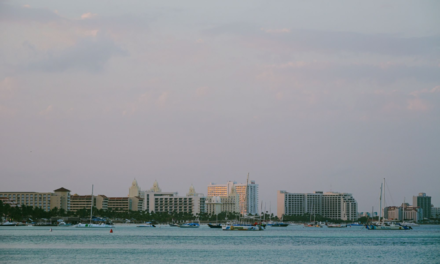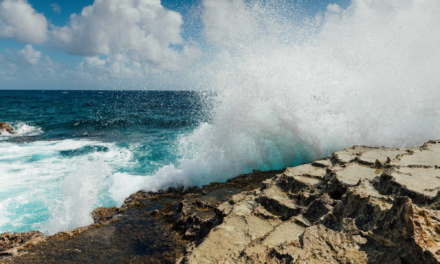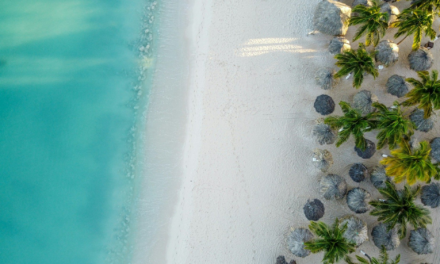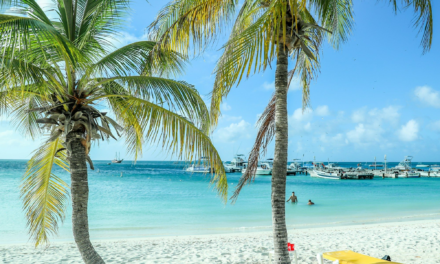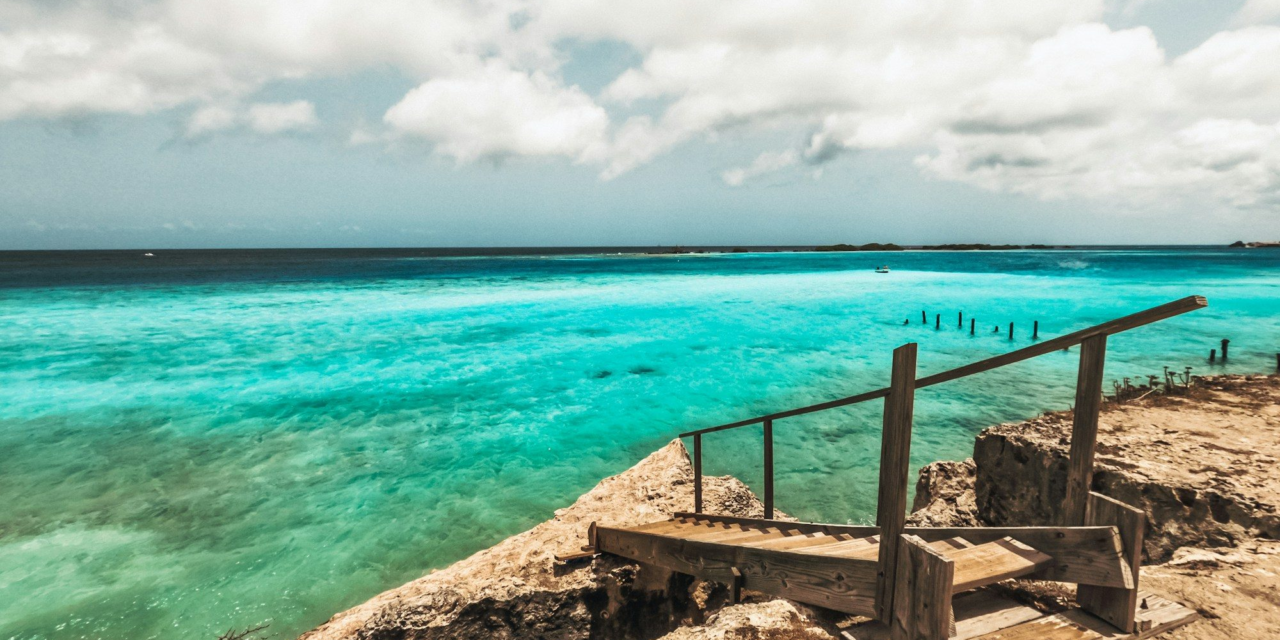
Aruba, Bonaire and Curaçao (the “ABC islands”) sit close together off the coast of South America. They share Dutch roots, the Papiamento language and a dry, breezy climate. But they’re very different trips. If you’re weighing Aruba vs Curaçao vs Bonaire (or searching “Aruba vs Curacao” for a quick verdict), the answer depends on what your days look like: easy beach time and lots of activities, a colorful historic capital and a mix of everything, or diving from the shore before breakfast. Here’s how the three islands compare, with the facts you need to choose.
Quick answer: which ABC island is right for you?
- Choose Aruba for long, easy-access white-sand beaches, a wide range of tours and activities, and a polished, low-effort vacation. It’s the smallest of the three, so everything is close.
- Choose Curaçao for the UNESCO-listed historic area of Willemstad, more room to explore (it’s the largest ABC island) and a mix of culture, beaches and diving.
- Choose Bonaire if diving or snorkeling is the main reason you’re going. The whole coastline is a marine park, and it’s known as one of the world’s best shore-diving destinations.
Aruba vs Curaçao vs Bonaire at a glance
| Aruba | Curaçao | Bonaire | |
|---|---|---|---|
| Size | About 179 km² (69 sq mi) | 444 km² (171 sq mi) | About 288 km² (111 sq mi), plus Klein Bonaire |
| Population | 108,880 (Q1 2025) | 155,826 (2023 census) | 26,552 (Jan 2025) |
| Capital | Oranjestad | Willemstad | Kralendijk |
| Currency | Aruban florin, pegged at 1.80 per US$ | Caribbean guilder (sole currency since July 1, 2025) | US dollar (since 2011) |
| Political status | Constituent country in the Kingdom of the Netherlands (since 1986) | Constituent country (since 2010) | Special municipality of the Netherlands (since 2010) |
| Electricity | 127/220 V, 60 Hz | 127/220 V, 50 Hz | 127/220 V, 50 Hz |
| Best known for | Beaches and activities | Historic capital, varied scenery | Shore diving, marine park, flamingos |
Figures from Wikipedia’s articles on Aruba, Curaçao, Bonaire and mains electricity by country, as of October 2026.
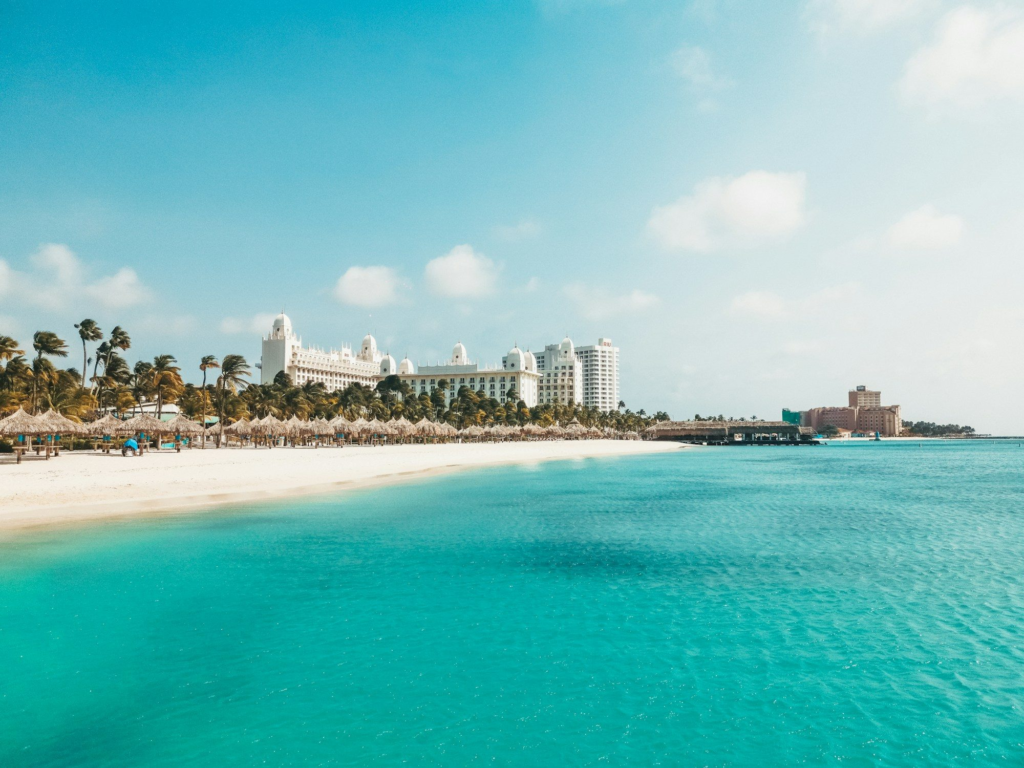
Aruba: the easiest beach vacation
Aruba is the smallest of the three: about 32 km (20 mi) long and 10 km (6 mi) wide, per Wikipedia. That makes it easy to get around. You can stay on the hotel strip and still reach the lighthouse, the national park or the south-coast beaches in an easy drive.
Beaches
This is where Aruba stands out. The west and south coasts are lined with calm, sandy beaches. Eagle Beach is the island’s widest, with fofoti trees that are among the most photographed in Aruba. It’s also where most of Aruba’s sea turtle nests are. Palm Beach runs about two miles in front of the high-rise resorts, with calm water and water sports. Families gravitate to Baby Beach, a shallow lagoon on the south tip. All of Aruba’s beaches are public. Compare them in our guide to the best beaches in Aruba.
Nature and the north coast
Arikok National Park covers about 20% of the island, according to Wikipedia. The park has caves with Arawak drawings and the Natural Pool, which you reach by 4×4 or guided jeep tour, on horseback or on a long hike (aruba.com). UTVs and ATVs aren’t allowed inside the park (Aruba Conservation Foundation). The windward north coast is rugged and wave-battered, so it’s for sightseeing rather than swimming. See our Arikok National Park guide.
Weather
Aruba is hot and semi-arid, with about 500 mm (20 in) of rain a year, mostly from September to January. Wikipedia notes that the island lies south of the main Atlantic hurricane development region and usually avoids direct hits. Steady northeast trade winds keep it comfortable and make it a windsurfing and kitesurfing hub (see windsurfing and kitesurfing in Aruba).
Who it suits
First-time Caribbean visitors, families, couples who want sunsets and good food, and anyone who wants plenty to do without much planning. If you’d like to see the island without doing the driving yourself, a guided island or off-road tour covers the highlights in a single day.
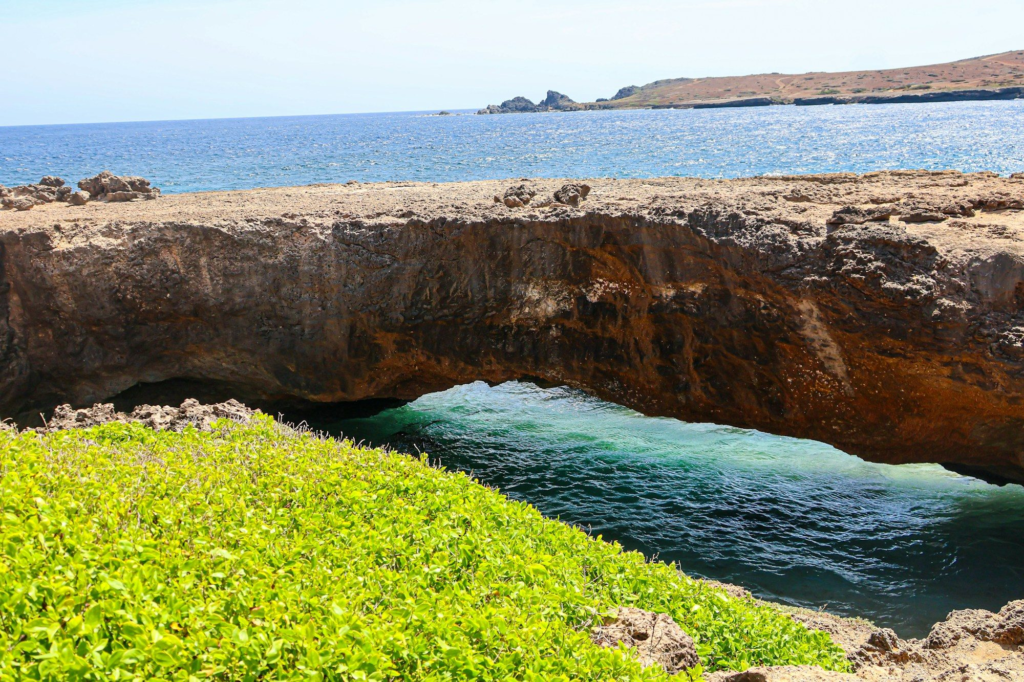
Curaçao: culture, color and variety
Curaçao is the largest of the ABC islands by both area and population. It lies about 80 km (50 mi) southeast of Aruba, according to Wikipedia.
Willemstad
Curaçao’s big draw is its capital. The Historic Area of Willemstad, Inner City and Harbour was added to the UNESCO World Heritage List in 1997. UNESCO describes a Dutch trading town founded in 1634 around a deep natural harbor, with distinct historic districts (Punda, Otrobanda, Pietermaai and Scharloo) and brightly painted buildings. If walking a historic city is high on your list, Curaçao has more of it than Aruba or Bonaire.
Beaches and diving
Underwater, the seabed near the north drops steeply in a feature called the “Blue Edge,” which draws scuba divers. Some reefs can be reached from shore without a boat (Wikipedia). The tourist board’s site, curacao.com, has a section on dive and snorkel sites.
Practical notes
- Currency: the Caribbean guilder fully replaced the Netherlands Antillean guilder on July 1, 2025 (Wikipedia).
- Languages: Papiamentu, Dutch and English are official, and Spanish is widely spoken.
- Weather: hot and semi-arid. Wikipedia describes a wet season from October to December.
- Entry: curacao.com links to a Digital Immigration Card portal. Check current requirements before you fly.
Who it suits
Travelers who like to explore, history and architecture fans, and people who want beaches, diving and a lively capital in one trip and don’t mind driving between them.
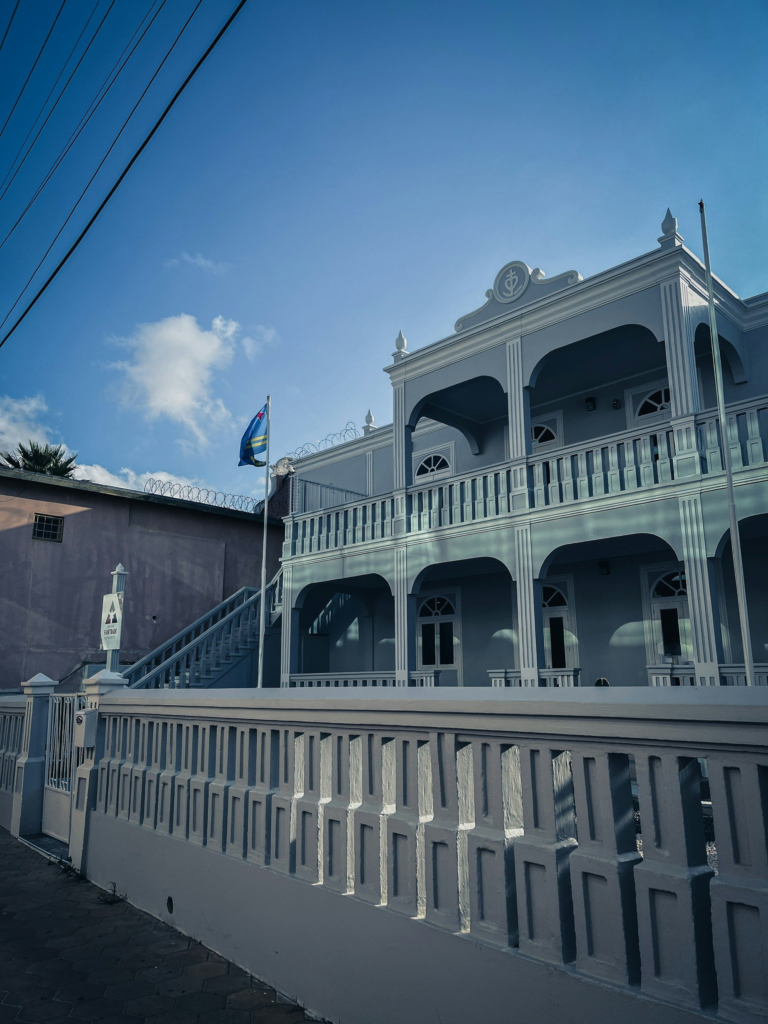
Bonaire: built for divers and nature lovers
Bonaire is the quietest of the three, with about 26,500 residents, according to Wikipedia. It’s also the one most clearly built around the water.
Diving and snorkeling
Bonaire has a reputation as a top spot for diving straight from the beach. The fringing reef on the leeward side is reachable straight from the shore. Bonaire National Marine Park, set up in 1979, protects the coastline from the high-water mark down to 61 m (200 ft), per Wikipedia. The island’s tourism site, bonaireisland.com, cites more than 85 dive sites, 350-plus fish species and 57 coral species.
Land and wildlife
- Washington Slagbaai National Park covers 6,000 hectares on the north tip. It was established in 1969, and it includes Mount Brandaris, the island’s highest point at 240 m (Wikipedia).
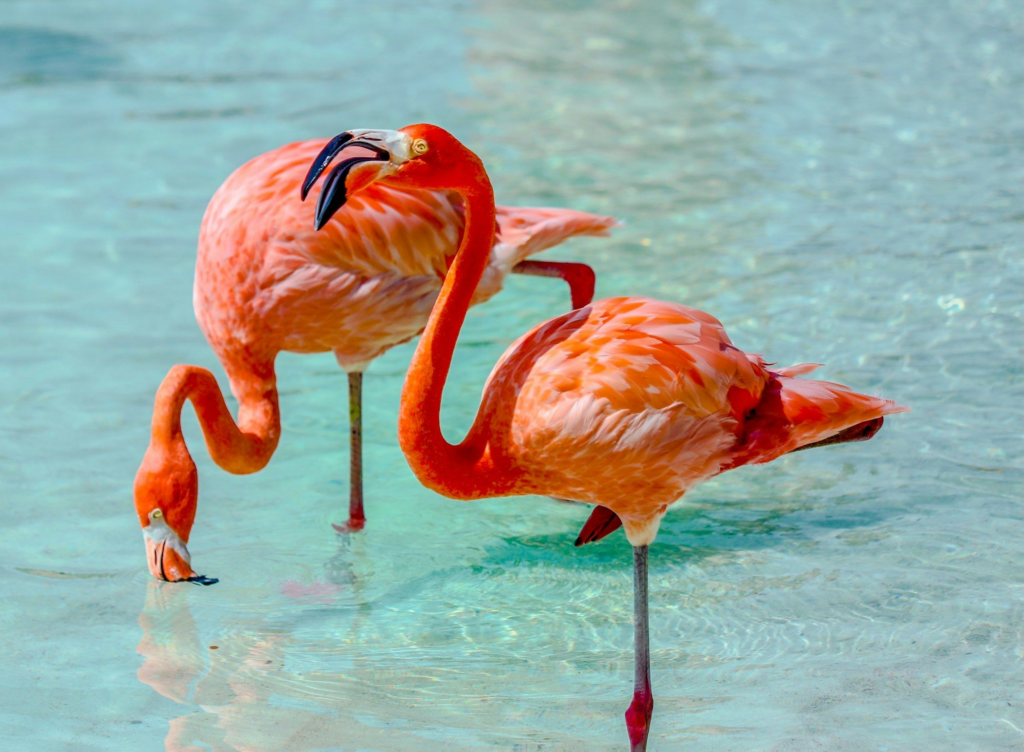
- Flamingos: Bonaire is one of four nesting grounds for the Caribbean flamingo. The Pekelmeer nesting site is closed to people (Wikipedia).
Fees to know
Bonaireisland.com says visitors must buy a Nature Tag for all water activities, and it lists a tourist entry tax of $75 per person per visit, as of October 2026. Check the current amounts before you go.
Who it suits
Certified divers, serious snorkelers, birders and travelers who want a quiet, low-key trip. If you mostly want long lounging beaches and nightlife, Bonaire is less of a fit.
Aruba vs Curaçao vs Bonaire: how they compare by travel style
| If you want… | Best pick | Why |
|---|---|---|
| Long white-sand beaches | Aruba | Calm west-coast beaches like Eagle and Palm Beach |
| History and architecture | Curaçao | UNESCO-listed Willemstad |
| Shore diving | Bonaire | Fringing reef reachable from shore, whole coast protected |
| Beginner diving and snorkeling | Aruba or Bonaire | Aruba has calm snorkel beaches and boat trips; Bonaire has easy reef access |
| Short trip, little planning | Aruba | Smallest island, everything close to the hotel areas |
| Quiet and uncrowded | Bonaire | Smallest population of the three |
| Wind sports | Aruba | Steady northeast trade winds and established kite and windsurf spots |
Weather and hurricanes: all three are good bets
All three islands are dry and windy compared with most of the Caribbean. Aruba gets about 500 mm of rain a year and Bonaire about 520 mm, per Wikipedia. Curaçao’s figure varies by source, roughly 450–570 mm. Wikipedia also places both Aruba and Bonaire outside the main Atlantic hurricane development region, though storms do sometimes affect the area. For Aruba-specific detail, read is Aruba really outside the hurricane belt? and our best time to visit Aruba guide.
Can you visit more than one?
Yes. The islands are close together (Curaçao is about 80 km from Aruba). If you only have a week, though, pick one base. Moving between islands eats into beach time. If Aruba is your choice, our 5-day Aruba itinerary shows how to fit in the beaches, the national park and the best tours without rushing. Diving is a big part of the decision? Our beginner’s guide to scuba diving in Aruba explains what Aruba offers below the surface.
FAQ
Which is better, Aruba or Curaçao?
Aruba is better for long, easy beaches and a wide choice of activities on a small, easy-to-navigate island. Curaçao is better if you want a historic capital (Willemstad’s UNESCO-listed center) and more varied terrain to explore.
Is Bonaire better than Aruba for snorkeling and diving?
For shore diving, Bonaire is hard to beat. Its whole coastline is a protected marine park, and the reef is reachable from shore. Aruba has good snorkel beaches and wrecks like the Antilla reached by boat, and it suits beginners who want more non-diving activities too.
Which ABC island is the biggest?
Curaçao, at 444 km². Bonaire is about 288 km² and Aruba about 179 km².
Do the ABC islands use US dollars?
Bonaire’s official currency is the US dollar. Aruba uses the florin, pegged at 1.80 per US dollar, and dollars are widely accepted there. Curaçao now uses the Caribbean guilder, which fully replaced the old guilder on July 1, 2025.
Are the ABC islands in the hurricane belt?
Aruba and Bonaire both lie outside the main Atlantic hurricane development region, according to Wikipedia, and usually avoid direct hits, though storms can still affect them occasionally.
How far is Curaçao from Aruba?
About 80 km (50 miles). Curaçao lies to the southeast of Aruba.
Sources
- Wikipedia – Aruba
- Wikipedia – Curaçao
- Wikipedia – Bonaire
- Wikipedia – Mains Electricity by Country
- Wikipedia – Arikok National Park
- UNESCO World Heritage Centre – Historic Area of Willemstad, Inner City and Harbour, Curaçao
- Curaçao Tourist Board – curacao.com
- Tourism Corporation Bonaire – bonaireisland.com
- InfoBonaire
- Aruba Tourism Authority – Eagle Beach
- Aruba Tourism Authority – Palm Beach
- Aruba Tourism Authority – Baby Beach
- Aruba Tourism Authority – Natural Pool
- Aruba Conservation Foundation – Experiences (Arikok National Park)
- VisitAruba – Aruba Travel Tips: How to Get Around, Public Beaches and More