
Scuba diving in Aruba is a good place to start if you’ve never dived before. The water is warm, the visibility is usually good, the west and south coasts are sheltered, and some of the island’s best-known wrecks sit in shallow water. This guide explains how a first “try dive” works, the age and depth limits, and which sites beginners usually visit. It also covers when to go, plus the safety rules that matter most, including how long to wait before your flight home.
Quick answer: scuba diving in Aruba as a beginner
- No certification? Book a Discover Scuba Diving (DSD) experience. The minimum age is 10, and you stay above 40 feet (12 meters) with an instructor.
- Want to be certified? PADI Open Water Diver. Juniors can start at 10. Certified adults can dive to 60 feet (18 meters), but 10- and 11-year-olds are limited to 40 feet (12 meters).
- Water: warm year-round. Lonely Planet gives an average of about 85°F (29°C) and visibility of 50–100 feet.
- Beginner-friendly sites: the Pedernales wreck (about 25 feet), the shallower parts of the Antilla wreck, and the inner reef at Mangel Halto.
- Before you fly: Divers Alert Network recommends at least 12 hours after a single dive, and at least 18 hours after several days of diving.
Why scuba diving in Aruba suits beginners
Three things work in a beginner’s favor. First, the water is warm. Lonely Planet puts the average water temperature around Aruba, Bonaire and Curaçao at about 85°F (29°C), with visibility usually between 50 and 100 feet. Second, most diving is on the sheltered west and south coasts. Lonely Planet notes that the rockier east and north coasts, with their stronger currents, are for experienced divers. Third, Aruba has plenty of wrecks. Lonely Planet counts more than 10 diveable wreck sites, and some sit shallow enough for a first dive.
One practical point is that most Aruba dives start from a boat. That makes things easier for beginners, because the crew handles the gear and gets you to calm water, and you don’t have to walk in over rocks.
Your options if you’ve never dived
Discover Scuba Diving (a try dive)
Discover Scuba Diving is PADI’s introduction to diving. It isn’t a certification. It’s a supervised experience to see whether you like breathing underwater. According to PADI’s DSD FAQ, it works like this:
- Minimum age: 10. There’s no upper age limit.
- Skills session first: in a pool or calm, shallow water, no deeper than about 6 meters (20 feet).
- Optional open-water dive: to a maximum of 12 meters (40 feet), with a PADI professional beside you.
- Medical questionnaire: you fill one out first. Depending on your answers, you may need a doctor to sign off before you can dive.
- Swimming and fitness: you don’t need to be an expert swimmer. PADI asks that you feel at ease in the water, can float on your own at the surface, and have reasonable general fitness.
- It can count toward certification: if you start the Open Water Diver course within 12 months, the DSD can count toward it. Tell the dive center in advance.
PADI also notes on its diving restrictions page that the DSD doesn’t qualify you to dive on your own afterward.
Open Water Diver certification
If you already know you’ll keep diving, you can get certified on vacation. PADI’s Open Water Diver is the standard first certification. Divers aged 10–14 earn the Junior version. PADI’s limit for Open Water Divers is 60 feet (18 meters), except for 10- and 11-year-olds, who are limited to 40 feet (12 meters) and must dive with a PADI professional or a certified parent or guardian. The full course takes more time than a try dive, so ask the dive center how many days to set aside.
Not ready for scuba?
The Aruba Tourism Authority lists SNUBA as an in-between option. Your air tank stays in a boat at the surface instead of on your back. It requires no experience, and the minimum age is 8. You can also just start with snorkeling. Our guide to the best snorkeling spots in Aruba is a good place to begin.
Beginner-friendly dive sites in Aruba
| Site | Area | Approx. depth | Why beginners like it |
|---|---|---|---|
| SS Pedernales | Off the island’s west side | About 25 ft (7.6 m) | A shallow WWII wreck, mild conditions |
| SS Antilla | Malmok Bay | Up to about 60 ft (18 m), shallower in parts | A huge, famous wreck with plenty of marine life. Try divers stay on the shallower parts, within 40 ft |
| Mangel Halto (inner reef and Kappel tugboat) | Pos Chiquito, south coast | The tug sits at about 12 m (39 ft) | Shore access, calm lagoon, reef fish |
SS Pedernales
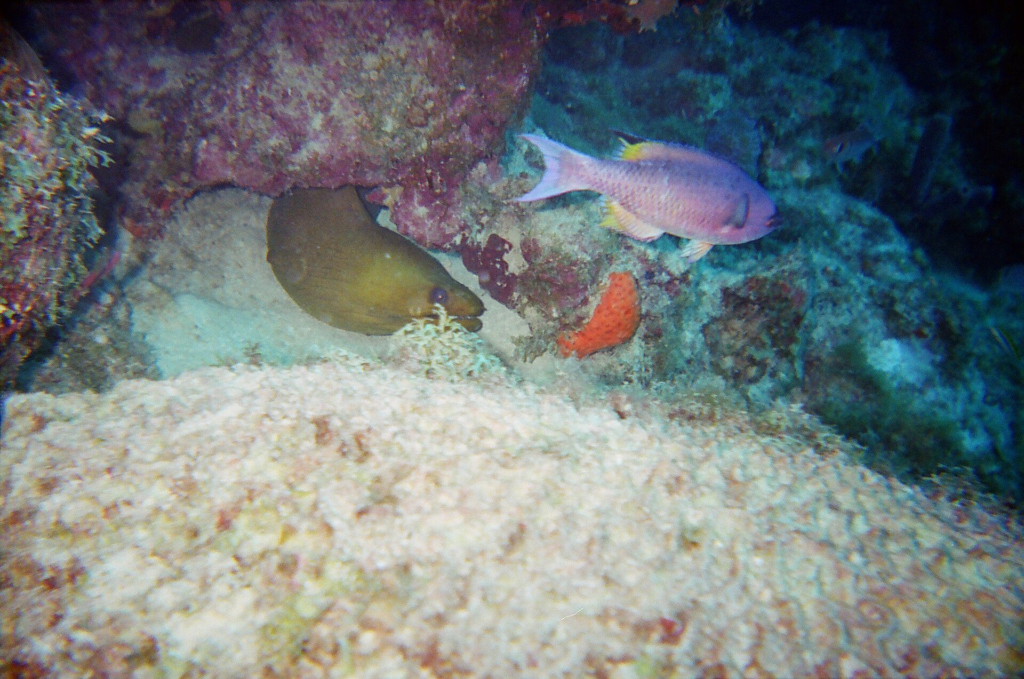
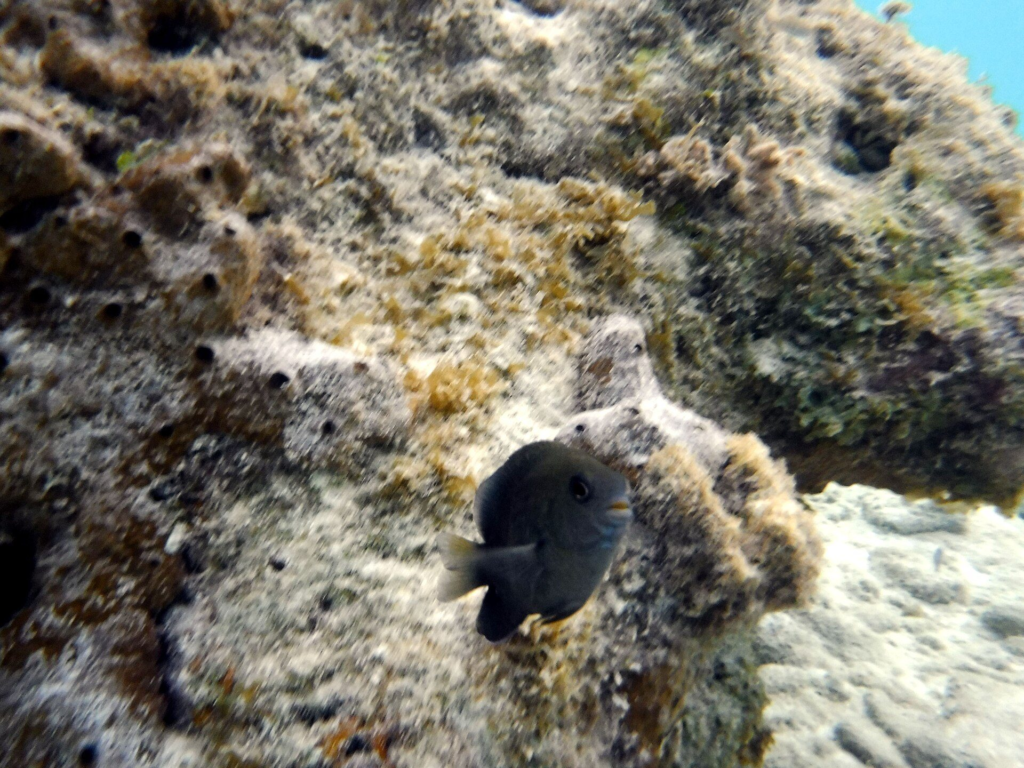
The Pedernales was a tanker torpedoed by a German U-boat while it lay at anchor at San Nicolas on February 16, 1942. What’s left of it now lies in about 25 feet of water off the west coast (Wikipedia). Its shallow depth and light current are why DeeperBlue recommends it to divers of any experience level, including first-timers. DeeperBlue lists moray eels, angelfish, groupers and the occasional turtle among the marine life.
SS Antilla
Aruba’s best-known wreck is a German freighter about 400 feet long that its crew scuttled in 1940. The Dutch dive guide Duikersgids lists depths of 5 to 16 meters and rates it for all levels, with a generally mild current. Some of the structure is too damaged to go inside, so beginners stay on the outside with a guide. Read the full story in our Antilla shipwreck guide.
Mangel Halto
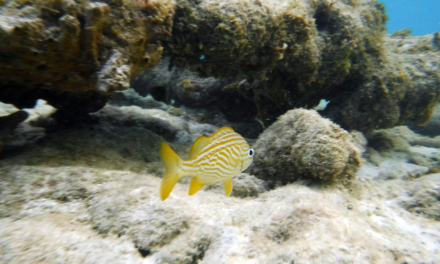
Mangel Halto, on the south coast, is a well-known site you can dive straight from shore. The official site page describes calm, shallow water inside the reef and a drop to about 110 feet beyond it. Inside the reef you’ll see parrotfish, snapper and blue tangs. A small tugboat wreck, the Kappel, sits at about 12 meters, according to Wikipedia. Beginners should stay inside the reef with a guide, because the current can be strong outside it.
Sites to save for later
Some sites are better left until you have more dives behind you. DeeperBlue puts the harbor tugboat wreck at about 80 feet (24 meters), deeper than Open Water limits, so save it for after further training. It also classes the Jane C wreck, at about 99 feet, as advanced because of strong currents. Serito Pinnacle on the south side gets strong currents too. Lonely Planet lists the SS California, off the northwest coast, as an advanced dive.
When to go scuba diving in Aruba
You can dive in Aruba year-round. Lonely Planet calls April through November the best window, with steadier water, sunny days and lighter winds. DeeperBlue notes that April to August, outside the main tourist season, usually brings the best prices. The Departamento Meteorologico Aruba says the rainy season runs from September to January. The same page says showers in that season tend to come in the early morning or the evening. For month-by-month weather, see our guide to the best time to visit Aruba.
Safety rules for new divers
- Be honest on the medical form. Some conditions mean you need a doctor’s approval before you dive.
- Don’t fly too soon. Divers Alert Network recommends at least 12 hours between a single no-decompression dive and your flight, and at least 18 hours after several days of repeated diving. Plan your last dive at least 18 hours before your flight. That usually means no diving on the day before an early-morning flight.
- Equalize early and often as you go down, and signal your instructor if your ears hurt.
- Don’t touch the reef or the wrecks. Corals are fragile, and wreck metal can be sharp.
- Use reef-safe, oxybenzone-free sunscreen. Since July 2020, Aruba has penalized the import, sale and production of sunscreen containing oxybenzone (VisitAruba).
- Skip drinks before diving, and stay well hydrated in the heat.
A simple plan for your first dive day
- Book a morning try-dive slot a day or two ahead, and fill out the medical questionnaire early.
- Eat a light breakfast and bring a towel, a cover-up and water.
- Learn the basic skills in shallow water, then do your open-water dive on a reef or a shallow wreck.
- If you love it, ask about counting the dive toward Open Water certification within 12 months.
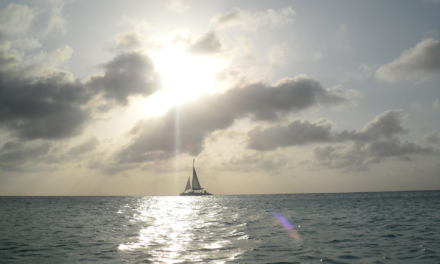
- Keep the rest of the day easy. A beach afternoon or a sunset sail works well, as long as your flight is at least 18 hours away.
FAQ
Can you scuba dive in Aruba without certification?
Yes. A Discover Scuba Diving experience lets non-certified people aged 10 and up dive to a maximum of 40 feet (12 meters) with a professional instructor.
What is the best dive site in Aruba for beginners?
The Pedernales wreck is a popular first dive because it’s only about 25 feet deep and the current is usually mild. The outside of the Antilla and the inner reef at Mangel Halto are also common choices.
How warm is the water for diving in Aruba?
Warm all year. Lonely Planet gives an average of about 85°F (29°C) for the ABC islands.
How long after diving can I fly home from Aruba?
Divers Alert Network recommends at least 12 hours after a single dive and at least 18 hours after several days of repeated diving.
What is the minimum age for scuba diving in Aruba?
The minimum age is 10 for PADI Discover Scuba Diving and for Junior Open Water certification. SNUBA, where your air comes from a tank on the surface, is offered from age 8.
When is the best time of year to dive in Aruba?
You can dive year-round. Lonely Planet names April through November as the best stretch for calm conditions.
Sources
- Discover Scuba Diving FAQs (PADI)
- PADI Diving Restrictions (PADI)
- Guidelines for Flying After Diving (Divers Alert Network)
- Diving in Aruba, Bonaire and Curaçao (Lonely Planet)
- Aruba Scuba Diving (DeeperBlue)
- Scuba and Snorkel (Aruba Tourism Authority)
- Mangel Halto (Aruba.com)
- Mangel Halto (Wikipedia)
- SS Pedernales (Wikipedia)
- Antilla Wrak (Duikersgids)
- Climate of Aruba (Departamento Meteorologico Aruba)
- Aruba Officially Bans Plastics and Oxybenzone (VisitAruba)
_09.jpg)
_08.jpg)
.jpg)
_03.jpg)
