Aruba is easy to pack for in one way: it’s warm all year. But the island has its own quirks that catch first-timers. The sun is strong, the trade winds blow most days, the coastline is rocky in places, and a few everyday items are restricted by law. This Aruba packing list covers what you actually need for beach days, snorkeling, off-road trips and evenings out, plus what to leave at home.
Quick answer: Aruba packing list essentials
- Reef-safe, oxybenzone-free sunscreen, SPF 30+. Aruba has penalized the import, sale and production of sunscreen with oxybenzone since July 2020.
- Water shoes for rocky entries at Arashi Beach, the Natural Pool and other spots.
- A reusable water bottle. The tap water is safe to drink.
- A reusable tote bag. Single-use plastic bags with handles are banned.
- Hat with a chin strap, sunglasses, and a light layer for the wind and the sun.
- Travel documents: passport, an approved ED card, and a credit card (the $20 Sustainability Fee for air arrivals can’t be paid in cash).
- No plug adapter needed for most US travelers. Aruba uses type A, B and F sockets.
Why packing for Aruba is a little different
Three things shape what you should bring.
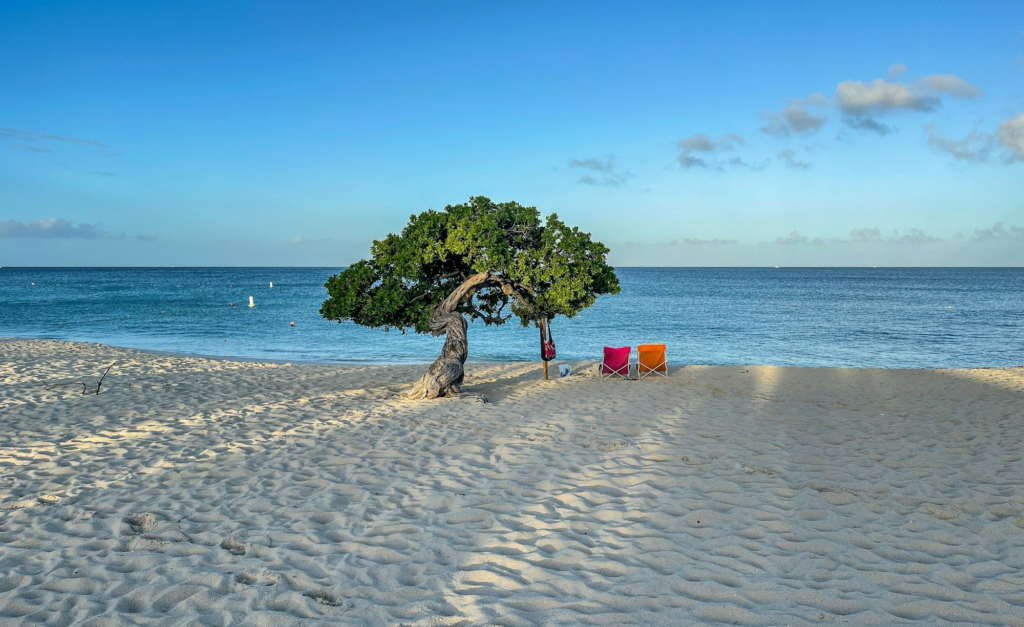
- The sun. VisitAruba’s sun advice notes that Aruba sits close to the equator. The trade winds keep you cool, so it’s easy to miss how strong the sun is, and sand and water reflect light back at you, so you can burn under an umbrella or on a cloudy day.
- The wind. Northeast trade winds moderate the temperature, according to Wikipedia. Expect loose hats to blow away and sand to get into everything on breezy days.
- The dry climate. Aruba is semi-arid, with about 500 mm (20 inches) of rain a year, mostly between September and January (Wikipedia). Rain gear is optional for most trips. See our month-by-month guide to the best time to visit Aruba.
Sun protection: the most important category
Reef-safe sunscreen
Aruba’s 2019 environmental ordinance bans the import, manufacture, sale and free distribution of sunscreen that contains oxybenzone, according to ELAW’s summary of the law. VisitAruba says imports, sales and production are penalized, and the law took effect on July 1, 2020 (HBN Law & Tax). Check labels before you pack and bring a reef-safe, oxybenzone-free formula. You can also buy locally made options on the island. Aruba Aloe and Arubalife Organics are both named on VisitAruba’s sun page.
How much to bring
VisitAruba recommends broad-spectrum SPF 30 or higher, reapplied about every two hours and again after swimming, even if the bottle says waterproof. For a week of beach days, that means more than one bottle per person. Pack:
- Body sunscreen (SPF 30+, reef-safe)
- A face stick or lotion for nose, ears and lips
- UV-protective sunglasses
- A wide-brim hat with a chin strap, or a cap that fits snugly in the wind
- A long-sleeve rash guard or UPF shirt for snorkeling and boat days
- Aloe gel for after-sun. VisitAruba suggests aloe for soothing burned skin, and you can buy it locally (see our guide to Aruba aloe and souvenirs).
Beach and snorkel gear
- Two or three swimsuits so one is always dry.
- A quick-dry beach towel if your hotel doesn’t provide one. Every beach in Aruba is public, so you can lay a towel anywhere on the sand.
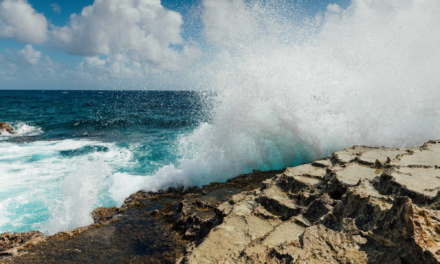
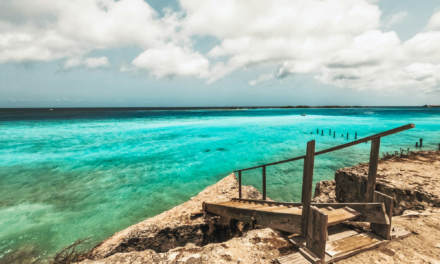
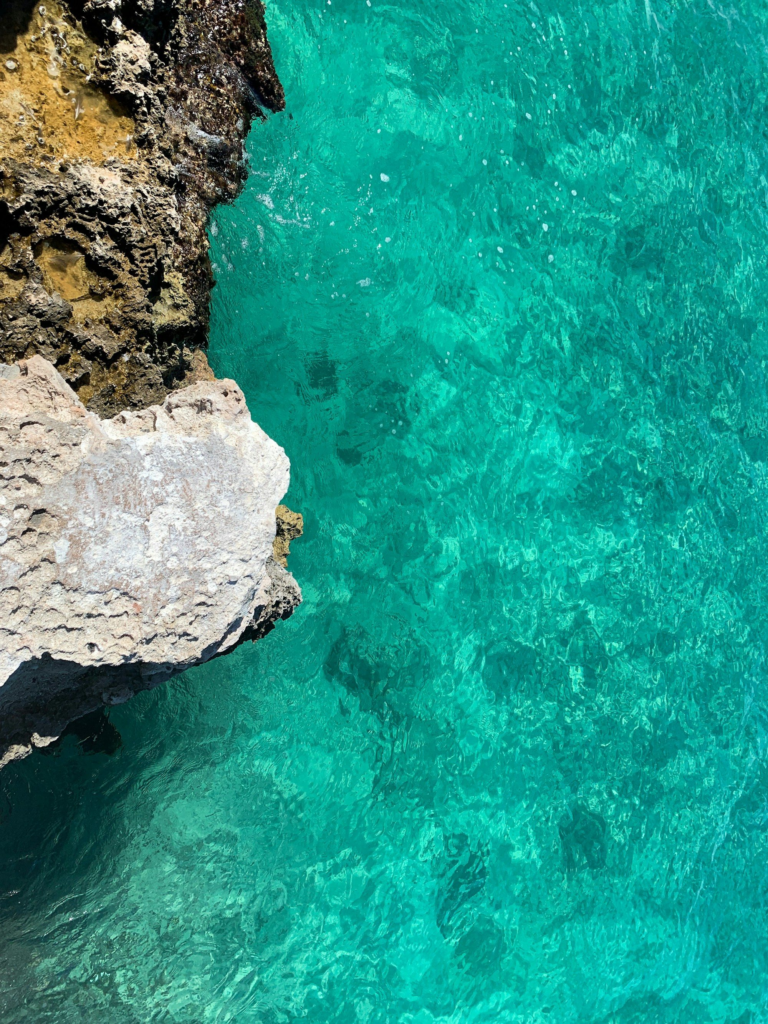
- Water shoes or reef sandals. The Aruba Tourism Authority recommends them for the rocky sections at Arashi Beach, and it calls them “strongly recommended” at the Natural Pool.
- Your own mask and snorkel if you snorkel a lot. A good fit beats rental gear. Rentals are available at popular beaches like Baby Beach, per aruba.com.
- A dry bag or waterproof phone pouch for boat trips and windy days.
- Sand-resistant beach bag. On breezy days, the wind blows sand into everything.
Planning to snorkel? Our guide to the best snorkeling spots in Aruba tells you where gear rentals and calm entries are.
Off-road, hiking and national park gear
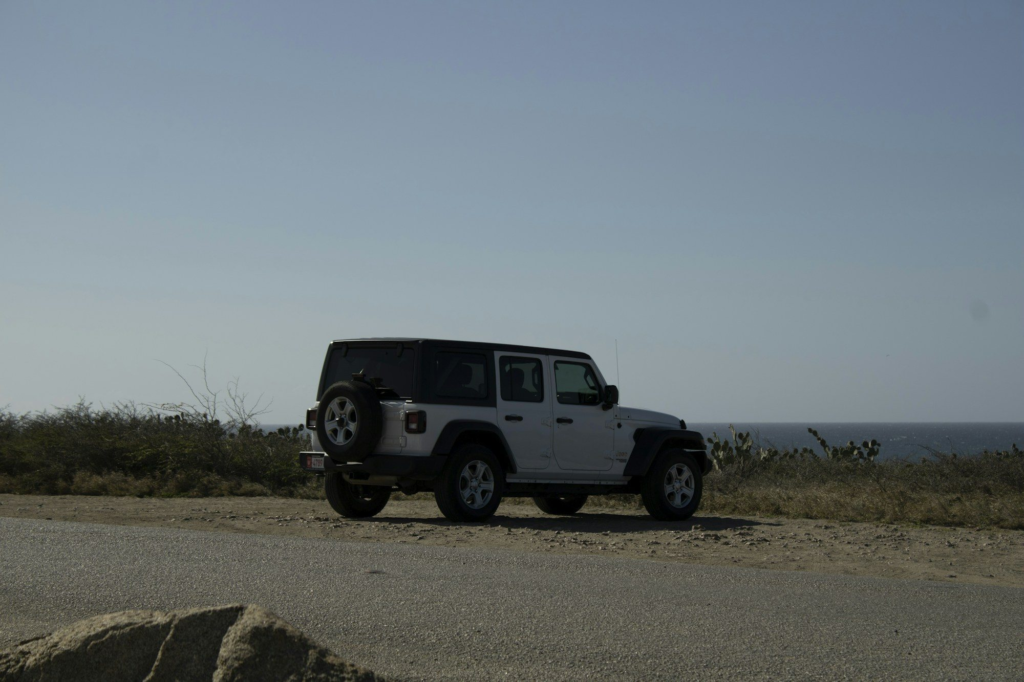
Arikok National Park and the north coast are rough terrain: dirt tracks, rocky stairs and very little shade. If you’re doing a UTV tour outside the park, a guided jeep tour into Arikok, a hike, or a visit to the Natural Pool (jeep, horseback or on foot only; UTVs aren’t allowed in the park), add these:
- Closed-toe shoes with grip (trail runners or sturdy sneakers). The steps down to the Natural Pool are steep and uneven, per aruba.com.
- A reusable water bottle and a bag for your trash. Trash cans are rare on the park’s trails, according to Boardwalk Aruba, so pack out what you bring.
- A buff or light scarf to keep dust off your face on unpaved roads, and sunglasses you don’t mind getting dusty.
- Clothes you don’t mind getting dirty. Dust can stain light fabrics.
- Swimwear underneath if the Natural Pool is on your route.
One park-specific note: flashlights aren’t allowed in Quadirikiri Cave because they disturb the bats (Boardwalk Aruba). The park also has very few restrooms, so plan accordingly. For a full checklist, see what to bring on a UTV tour in Aruba. The Arikok National Park guide covers fees and hours.
Clothing for days and nights
Daytime
- Lightweight, breathable tops and shorts (linen and cotton blends work well)
- A swimsuit cover-up for beach bars and walking to lunch
- Comfortable sandals plus one pair of walking shoes for Oranjestad and San Nicolas
Evenings
Evenings are warm, but boat decks and open-air restaurants can feel cool once the wind picks up. Pack a light layer: a thin long-sleeve shirt, a light sweater or a shawl. For dinners and nights out, smart-casual is a safe default. Our sunset cruise guide covers what to wear on deck.
Rain
Rain is limited even in the rainy season (September to January), so a packable rain jacket is plenty. You can skip the umbrella, since the wind makes it hard to use.
Documents, money and tech
Documents
- Passport valid for your whole trip
- Approved ED card. Air arrivals complete it online at edcardaruba.aw and pay the $20 Sustainability Fee there before approval, as of October 2026. The Aruba Tourism Authority says only credit cards (Visa, Mastercard, Discover) are accepted and you can’t pay at the airport. Our ED card guide has the details.
- Printed or saved copies of hotel and tour confirmations
Money
- US dollars are widely accepted, but some businesses won’t take $50 or $100 bills, per the tourism authority’s currency page. Bring smaller notes.
- A credit card with no foreign transaction fees. Tell your bank you’re traveling so overseas charges aren’t declined.
- Some cash for places like Zeerovers in Savaneta (aruba.com). Bring cash; some visitors report cards being accepted, but don’t count on it.
Electronics
- Plugs: Aruba uses type A, B and F sockets at 127/220 V and 60 Hz (Wikipedia). US plugs (A and B) generally fit. Check whether your devices are dual-voltage if a socket looks European.
- Portable battery pack for long beach and tour days
- Waterproof phone case or small action camera
Eco-friendly extras (and some rules)
Aruba’s 2019 plastics ordinance, in force since July 1, 2020, bans single-use plastic bags with handles, plastic straws (except for medical use), cups, utensils and polystyrene food boxes. It also bans releasing balloons and plastic confetti (ELAW). Useful things to bring:
- A foldable tote for groceries and souvenirs
- A reusable straw if you like one. Tap water in Aruba is desalinated and safe to drink (aruba.com), so a bottle covers your water needs.
- A small zip pouch to pack out your trash on beaches and trails
What to leave at home
- Oxybenzone sunscreen. Its import and sale are penalized in Aruba. Bring a reef-safe, oxybenzone-free one instead.
- Heavy jackets and jeans. One light layer is enough.
- Lots of bottled water or water filters. Tap water is fine.
- Big beach umbrellas. The wind makes them hard to manage. Look for shade huts instead, like the free ones at Baby Beach.
- Drone, if you haven’t checked the rules. Drones aren’t allowed in Arikok National Park, per the Aruba Conservation Foundation’s park rules, and other areas may have their own restrictions, so check before you pack one.
Printable Aruba packing checklist
| Category | Items |
|---|---|
| Sun | Reef-safe SPF 30+, face stick, UV sunglasses, strapped hat, rash guard, aloe |
| Beach | 2–3 swimsuits, cover-up, quick-dry towel, water shoes, mask and snorkel, dry bag |
| Off-road | Closed-toe grippy shoes, buff, clothes for dust, refillable bottle |
| Evenings | Smart-casual outfits, light layer, packable rain jacket |
| Documents | Passport, ED card approval, credit card, booking copies |
| Money | Small US bills, card with no foreign fees, some cash |
| Tech | Chargers, power bank, waterproof phone case |
| Eco | Tote bag, reusable bottle, trash pouch |
FAQ
Is oxybenzone sunscreen banned in Aruba?
Yes. Aruba has penalized the import, sale and production of sunscreen containing oxybenzone since July 2020, under its 2019 environmental ordinance. Pack a reef-safe, oxybenzone-free sunscreen.
Do I need a plug adapter in Aruba?
Usually not if you’re from the US. Aruba uses type A, B and F sockets at 127/220 V and 60 Hz, so standard US plugs generally fit. Check dual-voltage ratings if you run into a European-style socket.
Do I need water shoes in Aruba?
They’re a good idea. The Aruba Tourism Authority recommends them for rocky areas at Arashi Beach and strongly recommends them at the Natural Pool.
What should I wear in Aruba at night?
Light, smart-casual clothes work for most restaurants and bars. Add a thin layer, because the trade winds can make boat decks and open-air spots feel cool after dark.
Should I bring a rain jacket to Aruba?
Only a light, packable one. Aruba is semi-arid, with most of its limited rain falling between September and January.
Can I drink the tap water, or should I pack water?
Drink the tap water. The Aruba Tourism Authority says it’s desalinated, safe and high quality. Just bring a refillable bottle.
Sources
- VisitAruba – Tanning Advice
- ELAW – Aruba: Select Plastic Laws
- HBN Law & Tax – Aruba: Ban on Single Use Plastics and Sunscreen Products Containing Oxybenzone
- Wikipedia – Aruba
- Wikipedia – Mains Electricity by Country
- Aruba Tourism Authority – Arashi Beach
- Aruba Tourism Authority – Natural Pool
- Aruba Tourism Authority – Baby Beach
- Aruba Conservation Foundation – Parke Nacional Arikok Rules
- Boardwalk Aruba – Arikok National Park in Aruba, An Introduction
- Aruba Tourism Authority – Sustainability Fee
- Aruba Tourism Authority – Currency
- Aruba Tourism Authority – Zeerover
- Aruba Tourism Authority – Drinking Water in Aruba
- VisitAruba – Aruba Travel Tips: How to Get Around, Public Beaches and More