Aloe once covered much of Aruba, and Aruba aloe products are still made here today, at a factory in Hato you can tour for free. Add hot sauce made from local peppers, crafts with an official “made in Aruba” seal and a few edible treats, and you have souvenirs that actually come from the island rather than from a factory somewhere else. This guide covers what to buy, where to buy it and how to tell the real thing from the imports.
Aruba aloe and souvenirs: quick answer
- Top pick: Aruba Aloe skin, sun and hair care, made on the island. The company’s heritage dates to 1890.
- Free activity: The Aruba Aloe Museum & Factory tour at Pitastraat 115, Hato, near the hotel area. Free as of October 2026.
- Authentic crafts: Look for the national seal, Seyo Nacional pa Artesania, or a “Made in Aruba” label.
- Edible gifts: Hot Delight hot sauces, Dutch cheese and stroopwafels, and local liqueurs.
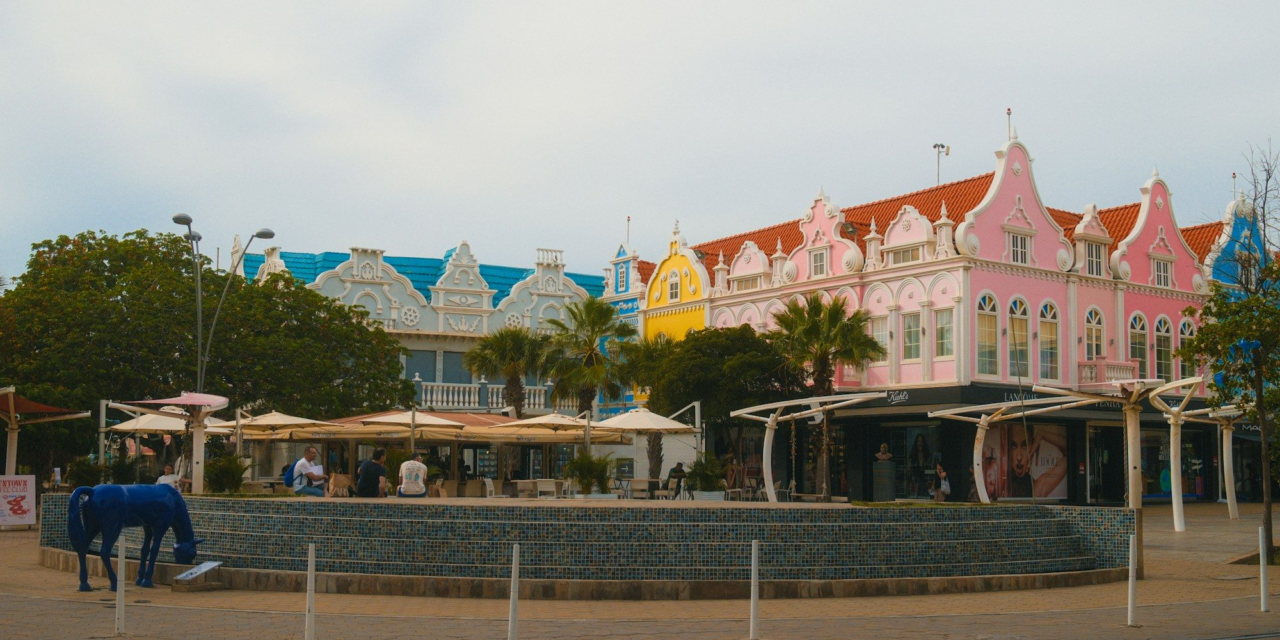
- Where to shop: The aloe factory store, Cosecha (Oranjestad and San Nicolas), Super Food Plaza and downtown Oranjestad.
Why aloe matters in Aruba
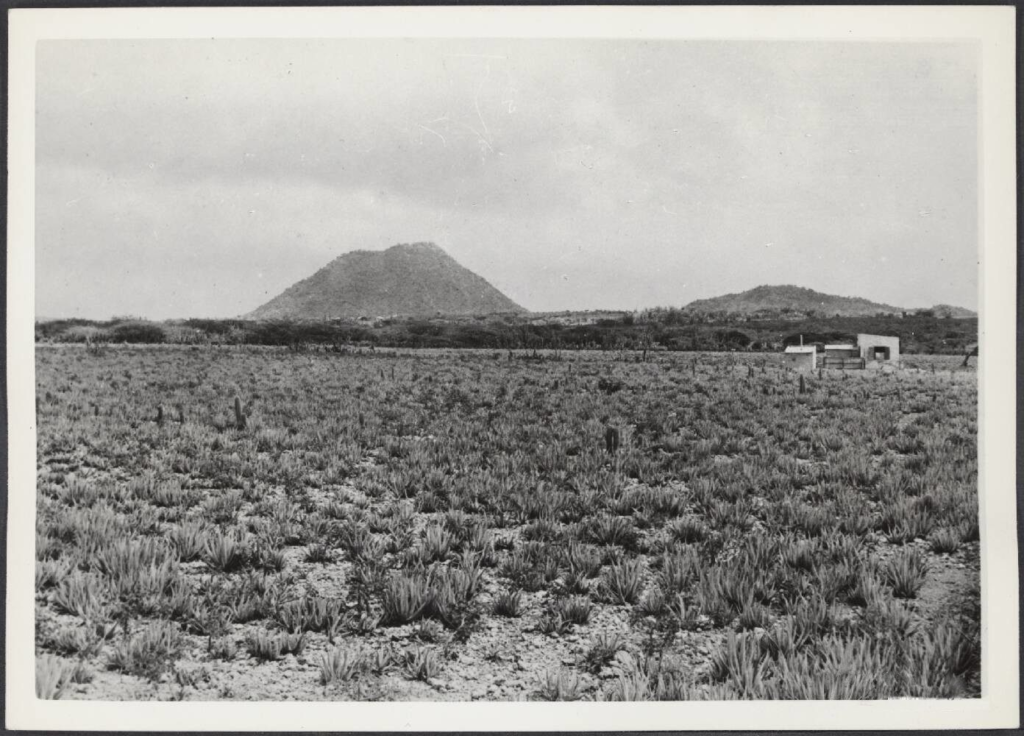
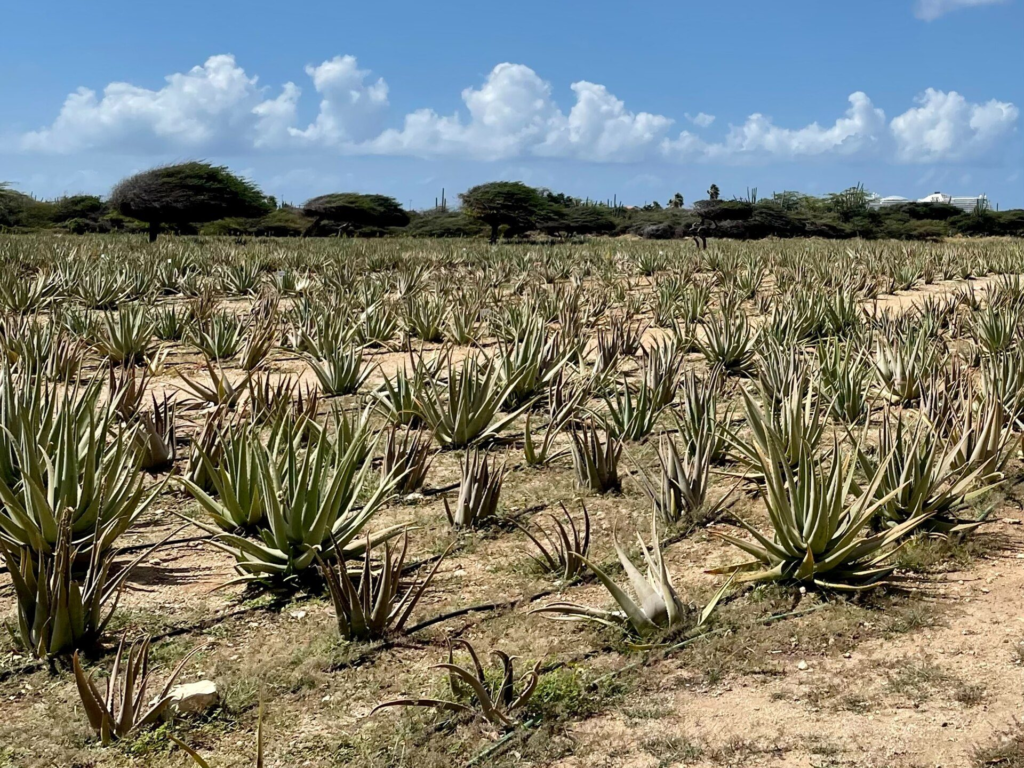
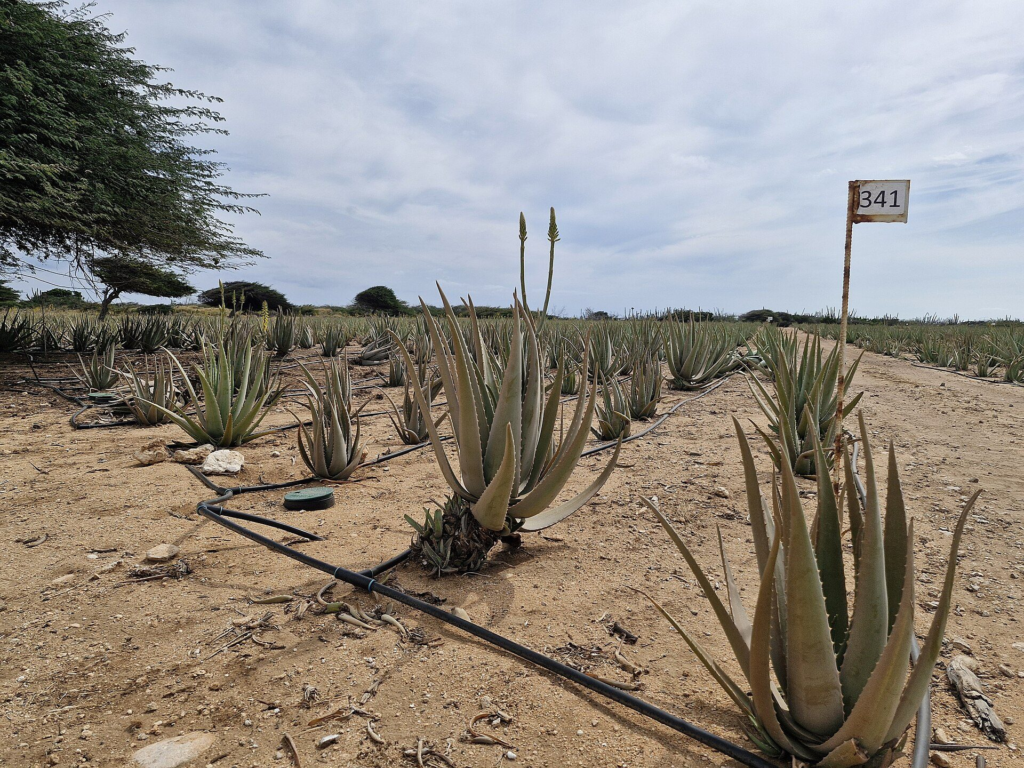
According to the Aruba Tourism Authority, aloe vera was introduced to Aruba in 1840, and before long about two-thirds of the island was covered with the plants. The first ones went into 150 acres at the Hato plantation, which still grows aloe today.
In those days, the crop was grown for “aloe hard gum,” an extract used in laxatives. According to Aruba Aloe’s own history pages, a slump in gum prices late in the 1800s pushed growers on Curaçao and Bonaire out of the business, while Aruba’s farmers kept their fields. Prices bounced back in 1906, and in the decades that followed Aruba ranked among the world’s biggest aloe gum exporters, which is how it came to be called the “Island of Aloes.”
Today the gel inside the leaf is what counts. Aruba Aloe describes its heritage as beginning in 1890 and calls itself one of the oldest aloe companies. It has since rebranded as Royal Aruba Aloe, so you may see both names.
Visit the Aruba Aloe Museum & Factory
The factory tour is one of the best free things to do on the island, and it fits easily into a cloudy morning or a day when you need a break from the sun.
- Where: Pitastraat 115, Hato, near the hotel area.
- Cost: Free (as of October 2026, per Aruba Aloe).
- Tour hours: Aruba Aloe’s site lists tours Monday to Friday 8 a.m. to 5:30 p.m. and weekends 8:30 a.m. to 4:30 p.m., with the museum and store open a little later. Other sites list shorter hours, so confirm before you go.
- Languages: Tours run every 15 minutes in English, Dutch, Spanish and Papiamento, and you can also look around on your own.
- Length: VisitAruba puts it at about 25 minutes, suitable for all ages. No reservation is needed unless you come with a large group.
What you’ll see
The visit starts in the museum, with an 11-minute audiovisual presentation on the company’s history and displays of old tools and vintage packaging. Then you learn how the leaves are harvested and filleted by hand, and walk through the factory past the cutting room, testing lab and the filling and packing lines. The tour ends, naturally, in the store.
It’s a good family stop: short, indoors and genuinely about the island. For more ideas like this, see our guides to things to do in Aruba on a cloudy or windy day and Aruba tours for families.
What to buy from Aruba Aloe
The range covers skin, hair and sun care. Every product contains Aruba aloe gel, according to VisitAruba. Some favorites to look for:
- Pure aloe vera skin care gel: The obvious souvenir, and useful during your trip if you overdo the sun.
- After-sun lotion and vitamin E gel.
- Hand and body lotion and shower gel, often in lines such as Coconut Island or Tropical Rose.
As of October 2026, Aruba Aloe’s online store listed the pure aloe vera gel from $12 and after-sun lotion from $14. Prices in island stores may differ.
A practical tip: if you’re flying with carry-on only, liquids and gels over the airline limit need to go in checked luggage, or buy at the end of your trip and pack carefully.
Other local souvenirs worth bringing home
Hot Delight hot sauce
Hot Delight is an Aruban hot sauce brand made from Madame Jeanette peppers. According to Aruba Sunset Beach, there are two main versions: the milder Papaya version, made with green papaya, and the hotter Madam version, made with habanero and Madame Jeanette peppers. The recipe goes back to the maker’s grandfather, around 1880. Look for it at Super Food Plaza and small souvenir shops.
Certified local crafts
Plenty of “Aruba” souvenirs are made elsewhere. To find genuine local work, look for the national handicraft seal, Seyo Nacional pa Artesania, established through the Department of Culture, or a “Made in Aruba” label. Aruba.com notes that other souvenirs on the island are probably from somewhere else.
A good place to start is Cosecha, which aruba.com lists as offering locally made crafts at shops in Oranjestad and San Nicolas. Check current hours before you go.
Painted driftwood and sea glass jewelry
Painted driftwood signs and sea glass jewelry made by artists living on the island are popular gifts, and Aruba Sunset Beach notes that hotels host weekly arts and crafts markets where you can find them.
Mopa mopa wood carvings
Mopa Mopa, listed among aruba.com’s arts and crafts shops, sells hand-carved wooden figures finished in the traditional mopa mopa style, which uses vegetable dyes and resin lacquer, according to AFAR. Check current hours before you go.
Edible gifts
Super Food Plaza, the supermarket aruba.com features for fresh produce, is where AFAR found gourmet goods such as Hot Delight sauces, Coecoei liqueur, Dutch cheeses and chocolates and stroopwafels. Dutch Edam cheese and Delft-style pottery are also sold along Main Street in Oranjestad, a reminder of Aruba’s ties to the Netherlands. Aruba.com also lists local rum and cigars among popular souvenirs.
Where to shop: a quick comparison
| Where | Area | Best for |
|---|---|---|
| Aruba Aloe Museum, Factory & Store | Hato, near the hotel area | Aloe products, free factory tour |
| Cosecha | Oranjestad and San Nicolas | Certified local crafts, art, jewelry |
| Super Food Plaza | Noord (per AFAR) | Hot sauce, Coecoei, Dutch cheese, stroopwafels |
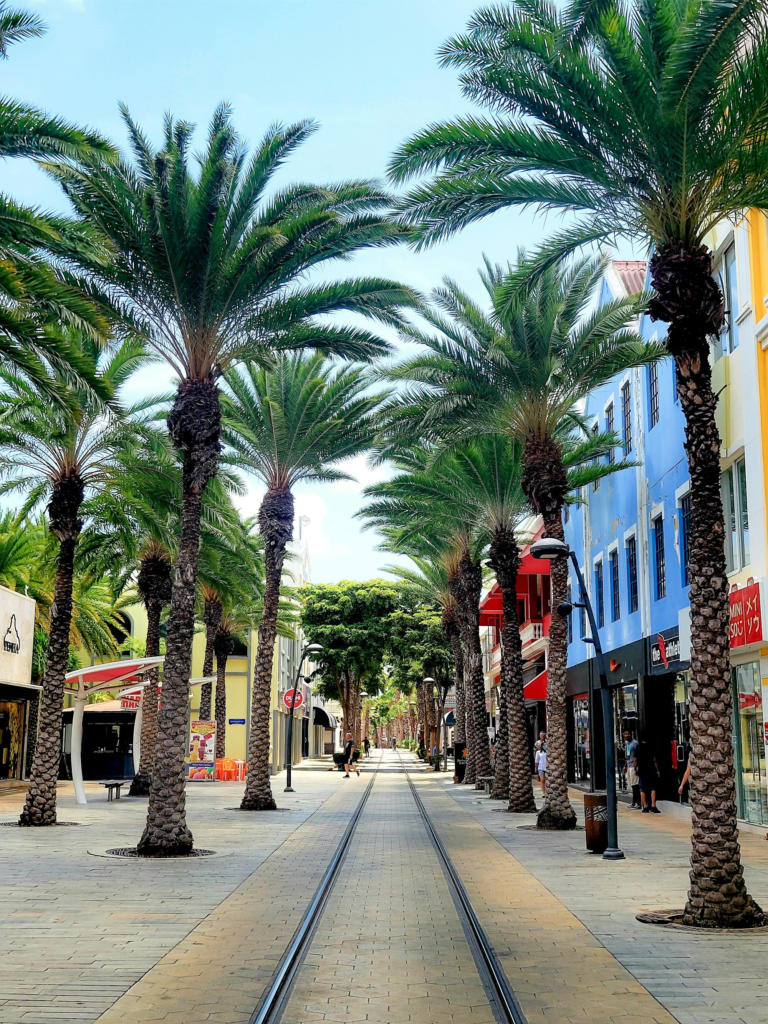
| Main Street (Caya G.F. Betico Croes) | Downtown Oranjestad | Souvenirs, Edam cheese, Delft-style pottery |
| Mopa Mopa gallery | Oranjestad | Hand-carved, hand-painted wooden figures |
Shopping tips
- Check for the seal. If an item doesn’t carry the national seal or a “Made in Aruba” label, assume it might be imported.
- Combine stops. The aloe factory is close to the hotel areas, so it’s easy to add to a morning in Oranjestad. Crafts shopping in San Nicolas pairs well with the San Nicolas murals.
- Pack liquids properly. Hot sauces, liqueurs and lotions belong in checked luggage, wrapped well.
- Know the customs rules at home. Check your home country’s limits on alcohol, food and plant products before you buy.
Looking for more ways to see the real Aruba? Try our guide to authentic local experiences in Aruba, or save money with our Aruba on a budget tips.
FAQ
Is the Aruba Aloe factory tour free?
Yes. As of October 2026 the Aruba Aloe Museum & Factory tour is free and runs about every 15 minutes in English, Dutch, Spanish and Papiamento. No booking is needed unless you come with a large group.
Where is the Aruba Aloe factory?
At Pitastraat 115 in Hato, near the hotel area.
Is Aruba aloe actually from Aruba?
Yes. Aruba Aloe grows and harvests aloe on its own fields in Aruba and processes it at the Hato factory, where you can watch production on the tour.
What are the best souvenirs from Aruba?
Aruba Aloe products, Hot Delight hot sauce, crafts carrying the national seal, mopa mopa wood carvings and Dutch treats such as Edam cheese and stroopwafels.
How do I know a souvenir is really made in Aruba?
Look for the national handicraft seal, Seyo Nacional pa Artesania, or a “Made in Aruba” label.
Why is Aruba called the Island of Aloes?
Aloe was introduced in 1840 and soon covered about two-thirds of the island. By the early 20th century, Aruba was one of the world’s largest exporters of aloe gum.
Sources
- Aruba Aloe Museum and Factory – aruba.com
- Factory & Museum Tour – Aruba Aloe
- Aloe Vera: 19th Century Fields – Aruba Aloe
- Aruba Aloe is now Royal Aruba Aloe – Aruba Aloe
- The Aruba Aloe Museum & Factory – VisitAruba
- Our Top 5 Local Gifts to Take Home – Aruba Sunset Beach
- The Best Shopping in Aruba – AFAR
- Arts & Crafts – aruba.com
- Authentisches Aruba – aruba.com