
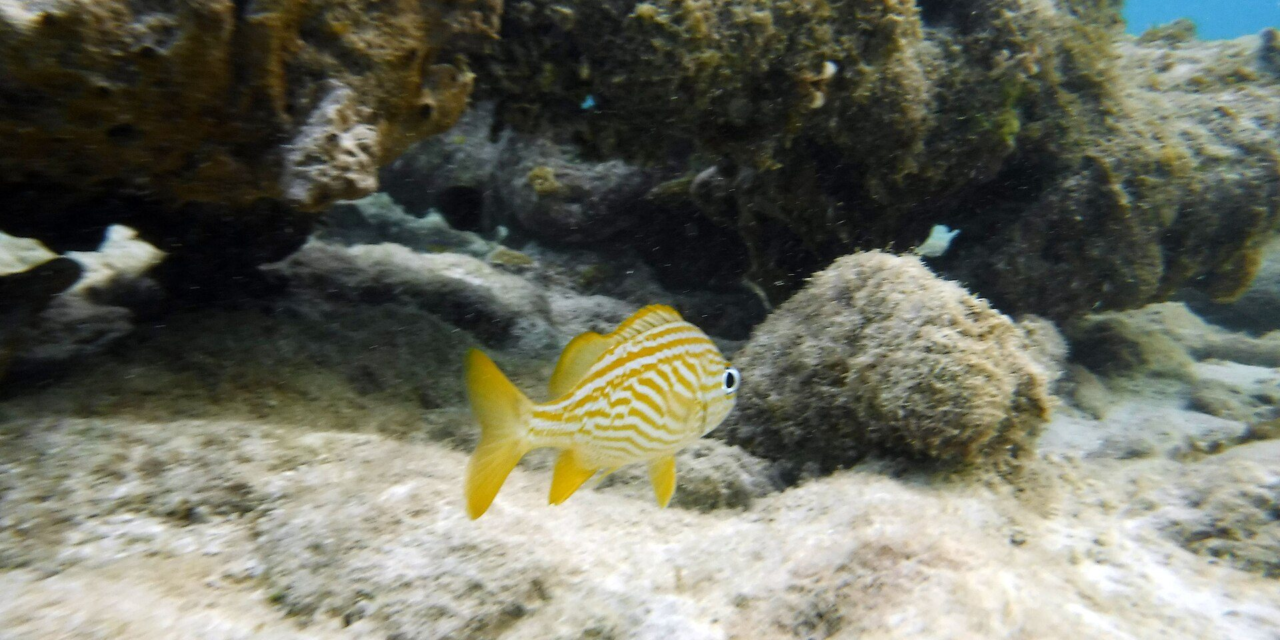
The best snorkeling in Aruba is on the calm west and south coasts, where the trade winds are blocked and the water stays clear. On one island you get sandy beginner coves, a turtle-friendly bay, a mangrove reef that drops into deep blue, and a World War II freighter big enough to see from the surface. This guide sorts the main spots by skill level and tells you how to get in the water at each one and what to watch out for. It also covers when the water is at its calmest.
Quick answer: where to snorkel in Aruba
- Easiest start: Arashi Beach (left side facing the sea) or the lagoon at Baby Beach.
- Best chance of turtles: Boca Catalina and Tres Trapi, ideally in the early morning.
- Top reef pick: Mangel Halto in Pos Chiquito, on the south coast. Go only on a calm day, and only if you’re a confident swimmer.
- Best wreck: the SS Antilla off Malmok. It’s about 700 meters offshore, so go by boat.
- Best time of day: roughly 8 to 11 a.m., when the wind is lighter and fewer boats are out.
Why the best snorkeling in Aruba is on the west and south coasts
Aruba’s trade winds blow steadily from the east. The north and northeast coasts take the full force and are rough. The west and south coasts are sheltered and usually calm. Every spot in this guide is on that protected side. Water temperature runs about 78–84°F (26–29°C), and on calm days visibility on the western and southern shores can top 100 feet, according to Snorkel Around the World’s Aruba guide (updated March 2026).
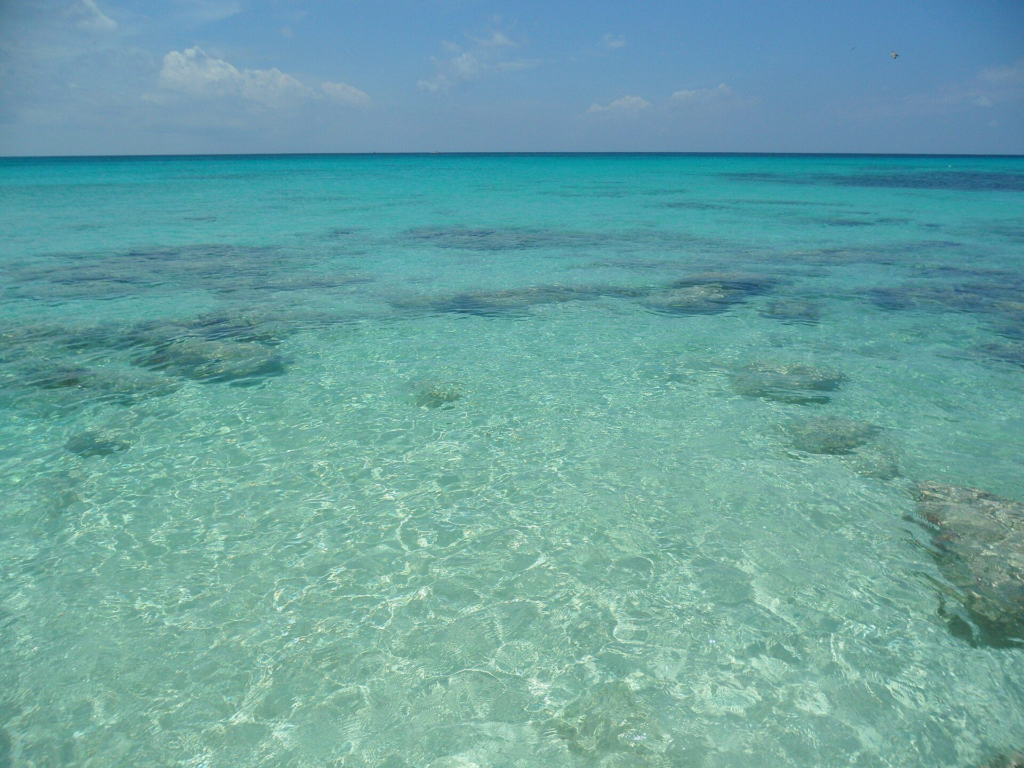
Timing makes a big difference. Mornings tend to be calmer, with better visibility and fewer boats, while late afternoons get choppier. If your schedule allows only one snorkel session, make it a morning.
Snorkel spots at a glance
| Spot | Area | Level | Entry | Known for |
|---|---|---|---|---|
| Arashi Beach | North tip, near the California Lighthouse road | Beginner (left side) | Sandy | Shallow, easy water, small colorful fish |
| Boca Catalina | Malmok area | Beginner | Steps to sand | Turtles over seagrass, reef fish |
| Tres Trapi | Malmok coast | Beginner–intermediate | Rock steps (slippery) | Sea stars, morning turtles |
| Malmok Beach | Malmok | Beginner–intermediate | Rocky | Coves, angelfish, small wreck in shallow water |
| Mangel Halto | Pos Chiquito, south coast | Intermediate–advanced | Sand, rocky in places | Mangroves, a healthy reef, a deep drop-off |
| Baby Beach | South tip, near San Nicolas | Beginner (inside marked area) | Sandy | Shallow, calm lagoon for families |
| SS Antilla | Off Malmok | Guided boat trip | From a boat | A 1939 German freighter |
Beginner-friendly snorkeling beaches
Arashi Beach
Arashi is at the island’s northern tip, past Malmok on the road to the California Lighthouse. The Aruba Tourism Authority recommends it for first-timers because of the shallow water and sandy bottom. Snorkel on the left side as you face the sea. The official Arashi Beach page says that’s where the coral and fish are.
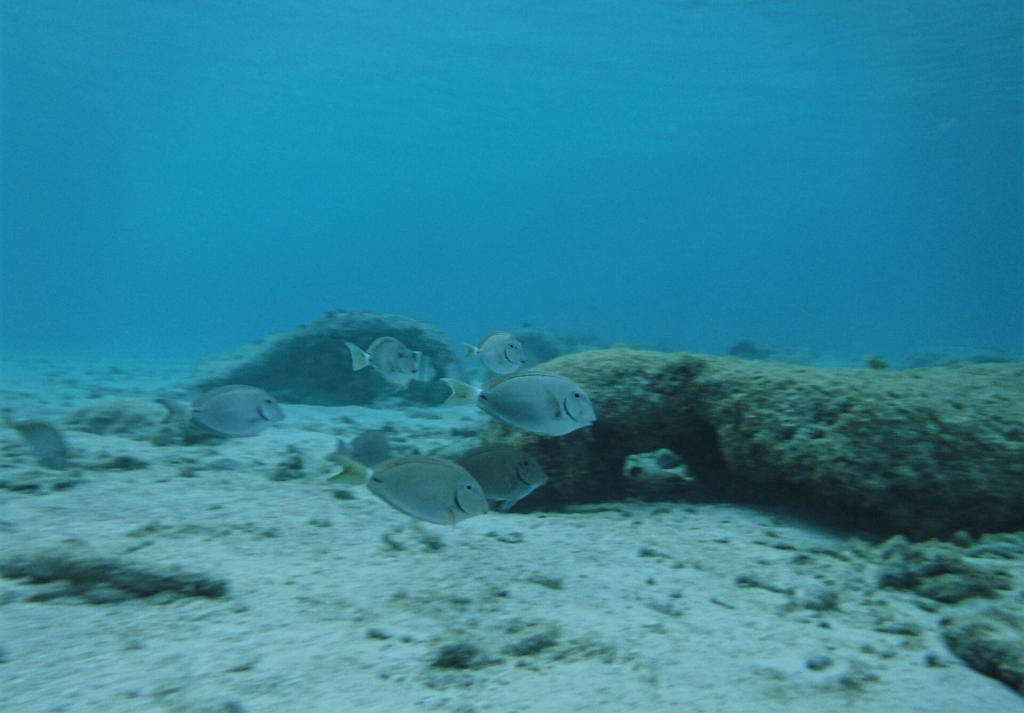
Arashi has a large parking area, free shade huts that fill up early, chair and umbrella rentals, and a beach bar. Aruba’s tourism board says there are no snorkel rental vendors close by, so bring your own gear. Sundays are busier, because it’s a favorite with locals too.
Boca Catalina, Catalina Cove and Tres Trapi
These three spots sit together along the Malmok coast, a few minutes’ drive north of the Palm Beach high-rises. Boca Catalina is a small bay. You park beside the main road and take a short flight of steps down to the beach. Near shore you’ll see sergeant majors, trunkfish and palometas. Farther out, the fish get bigger and more colorful and you’ll find coral. To reach Catalina Cove, the tourism board suggests entering at Boca Catalina and swimming north. Look for blue tangs and barred hamlets hiding near the rocks.
Tres Trapi, which means “three steps,” is named for the stairway cut into the rock. There aren’t as many fish here, but it’s known for sea stars. Please look at them without picking them up. The steps get slippery, so water shoes or dive booties help.
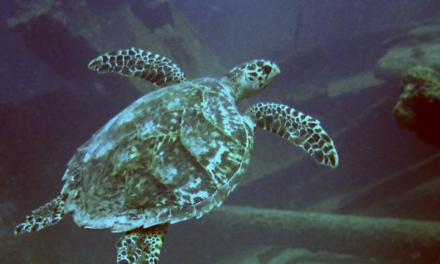
Turtles are the big draw on this stretch. Snorkel Around the World names Boca Catalina as the island’s top turtle site, with turtles grazing on seagrass roughly 65–100 feet from shore. It says early morning is the best time. A snorkeling blog that reviewed Tres Trapi found one turtle in the afternoon and turtle after turtle on a morning visit. If you see one, keep a few meters back, leave it a clear route when it rises for air, and don’t touch it or chase it.
Baby Beach
Baby Beach is on the far south end near San Nicolas, about 45 minutes’ drive from the Palm Beach hotels according to Aruba.com. The lagoon is shallow and calm, which suits kids and nervous swimmers. The tourism board asks snorkelers to stay inside the marked snorkel area. Snorkel Around the World warns the current gets strong past the buoys. You can rent snorkel gear, beach beds and windscreens, and there are restrooms and food stands. For the full trip, see our guide to Baby Beach.
Intermediate and advanced spots
Malmok Beach
Along the Malmok coast, rocky limestone gives way to a thin ribbon of sand at Malmok Beach. Expect small coves and plenty of fish. The tourism board lists sergeant majors, bluehead wrasses, banded butterflyfish, trunkfish and French angelfish. Getting in is the hard part, because there are sharp rocks at the shoreline and sea urchins in the shallows. Wear water shoes, and don’t stand up on the bottom without fins. Snorkel Around the World also describes a small wreck in shallow water about 50 meters out, called the Baboo. It says catamarans start anchoring off Malmok after about 9:30 a.m., so get there before them.
Mangel Halto
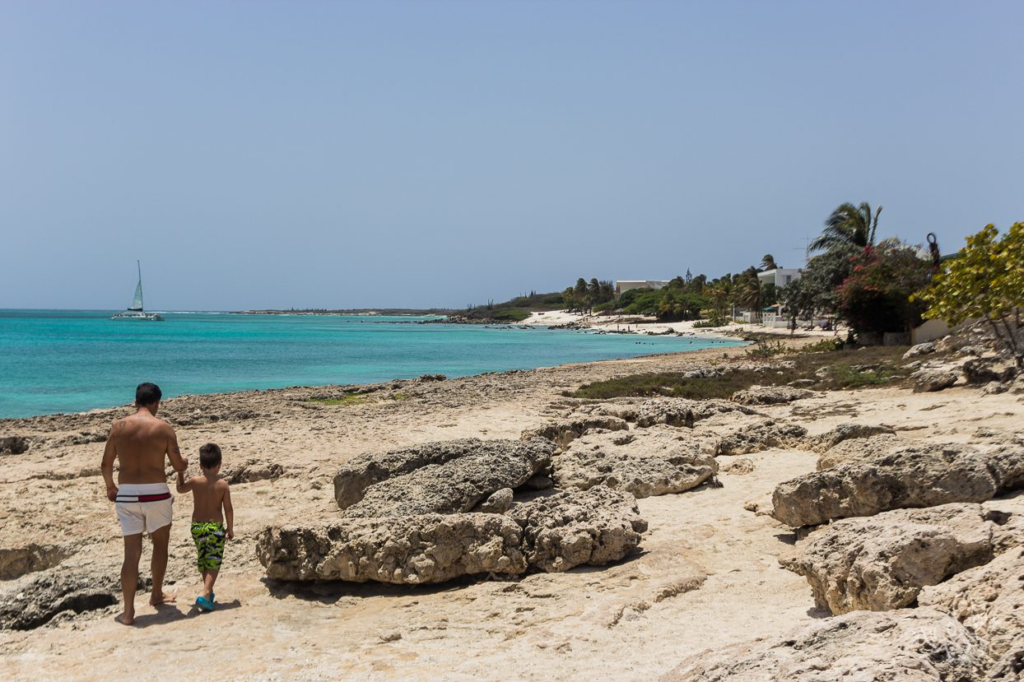
Mangel Halto, in Pos Chiquito just south of the Spanish Lagoon, is often described as Aruba’s best spot for diving and snorkeling, according to KLM’s travel guide. Mangroves line a calm, shallow lagoon, and past the reef edge the bottom drops away. The official Mangel Halto page notes that the drop-off goes down to about 110 feet. Down there you might spot moray eels, octopus or a barracuda. Inside, look for parrotfish, yellowtail snapper and blue tangs. You’ll also find a sunken tugboat known as the Kappel. Wikipedia’s Mangel Halto entry puts it at about 12 meters (39 feet).
The tourism board is clear about the risks. Sharp rocks make the entry awkward, the currents can be strong, and weaker swimmers should think twice. The deeper reef is outside the lagoon, where currents can be stronger, so go only when the sea is calm, wear a snorkel vest if you’re unsure, and don’t go alone. Since 2019 the area has been one of the protected reserves in Marine Park Aruba, according to Wikipedia’s Mangel Halto entry. Mangel Halto is also one of the calmest places on the island to paddle. Our clear kayaking guide covers how to explore it from above the water.
Rogers Beach and Boca Grandi
Snorkel Around the World also covers Rogers Beach, with a sandy entry near old pier pilings and a reef edge in 10–15 feet of water, about 200 feet out. Boca Grandi is a different matter. The same guide recommends it only for experienced snorkelers, only when the sea is flat, and says it isn’t suitable for children or beginners. For most visitors it’s a beach to look at, not swim at.
Shipwreck snorkeling: the SS Antilla
The Antilla was a German freighter that its own crew scuttled off Malmok in May 1940. According to Wikipedia, it’s 121.4 meters (398 feet) long and lies on its port side in up to 60 feet of water. Part of the hull rises close enough to the surface for snorkelers to make out the outline, and corals, sponges and fish cover the wreck. It’s about 700 meters offshore, and the current between the beach and the wreck can be stronger than it looks. Snorkel Around the World advises against swimming out on your own.
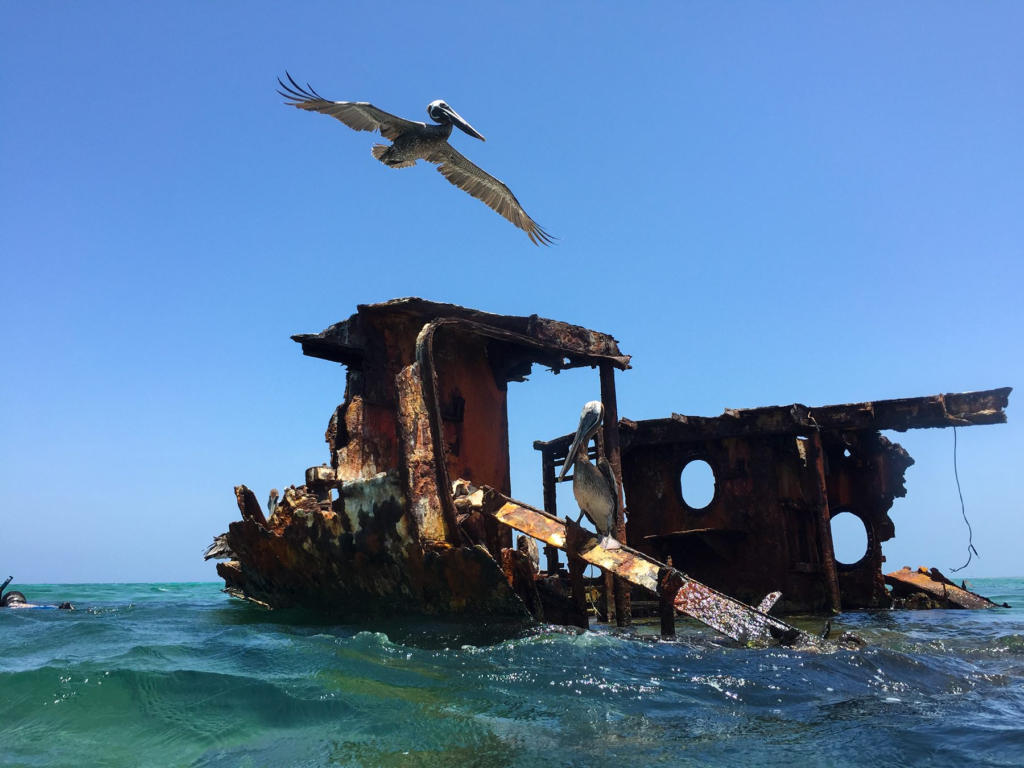
The easy way to see it is on a morning snorkel cruise. Most of them stop at the Antilla and then at a calmer reef or a turtle area along the Malmok coast. Our full Antilla shipwreck guide covers its history and how divers and snorkelers each see it. Our catamaran cruise guide compares the different boat trips.
Gear, safety and reef rules
- Bring or rent gear. You can rent gear at beach kiosks and dive shops around Palm Beach and Oranjestad, and at Baby Beach. If you plan to visit Arashi or the Malmok coves, a mask and snorkel of your own is worth packing. Our Aruba packing list has the rest.
- Wear water shoes at Malmok, Tres Trapi, the rocky edges around Catalina (Islands) and Mangel Halto, where the entries are rocky or slippery.
- Sunscreen: since July 2020, Aruba has penalized the import, sale and production of sunscreen containing oxybenzone (VisitAruba). Bring a reef-safe, oxybenzone-free mineral sunscreen and put it on well before you get in, or wear a long-sleeve rash guard.
- Check the current before you get in. If one pulls you along, float with it and get out farther down the beach. Don’t fight it.
- Don’t stand on coral, touch or feed marine life, or take shells, sand or coral off the beach.
- Never snorkel alone, especially at quieter spots like Mangel Halto.
Shore snorkeling or a boat trip?
From shore, you choose your own timing and spend nothing beyond gear rental. That works well at Arashi, Boca Catalina and Baby Beach. A boat makes more sense for the Antilla, for reefs too far to swim to, and for families who want a crew watching over them. In the tour listings we reviewed (October 2026), snorkel cruises generally included snorkel gear and life jackets. If you’re also thinking about going under the surface, our beginner’s guide to scuba diving in Aruba explains how a first try-dive works. Our roundup of the best beaches in Aruba helps you plan the rest of the beach day.
FAQ
Where is the best snorkeling in Aruba for beginners?
Arashi Beach (left side facing the sea), Boca Catalina and the marked area at Baby Beach are the easiest. All three have sandy or stepped entries and shallow, usually calm water.
Can you see sea turtles while snorkeling in Aruba?
Yes. Boca Catalina is the best-known turtle spot, and turtles are also often seen at nearby Tres Trapi, mostly in the early morning. Give turtles plenty of space and never touch or chase them.
Can you snorkel the Antilla shipwreck from shore?
Not safely for most people. The wreck is about 700 meters off Malmok and the currents can be strong, so the usual way to see it is on a guided boat trip.
What time of day is best for snorkeling in Aruba?
Morning, roughly 8 to 11 a.m. The wind tends to be lighter, visibility is better, and fewer boats are anchored at the popular spots.
Do I need reef-safe sunscreen in Aruba?
Aruba has penalized the import, sale and production of oxybenzone sunscreen since July 2020. Bring a reef-safe, oxybenzone-free mineral sunscreen, or cover up with a rash guard.
Is Mangel Halto safe for snorkeling?
The inner lagoon is calm and shallow. The deeper reef is outside it, where currents can be strong. Go on a calm day with a buddy, and skip the outer reef if you aren’t a strong swimmer.
Sources
- Aruba’s Top-Rated Snorkeling Beaches (Aruba Tourism Authority)
- Arashi Beach (Aruba.com)
- Mangel Halto (Aruba.com)
- Boca Catalina (Aruba.com)
- Malmok Beach (Aruba.com)
- Baby Beach (Aruba.com)
- Aruba Snorkeling Adventures (Snorkel Around the World)
- Aruba Shipwreck Snorkeling (Snorkel Around the World)
- Best Aruba Snorkeling Spots (Enriching Pursuits)
- Mangel Halto (Wikipedia)
- Aruba’s Top 3 Coral Reefs (KLM Travel Guide)
- Marine Park Aruba (Wikipedia)
- SS Antilla (1939) (Wikipedia)
- A Beginner’s Guide to Snorkeling in Aruba (Islands)
- Aruba Officially Bans Plastics and Oxybenzone (VisitAruba)

_06.jpg)


