
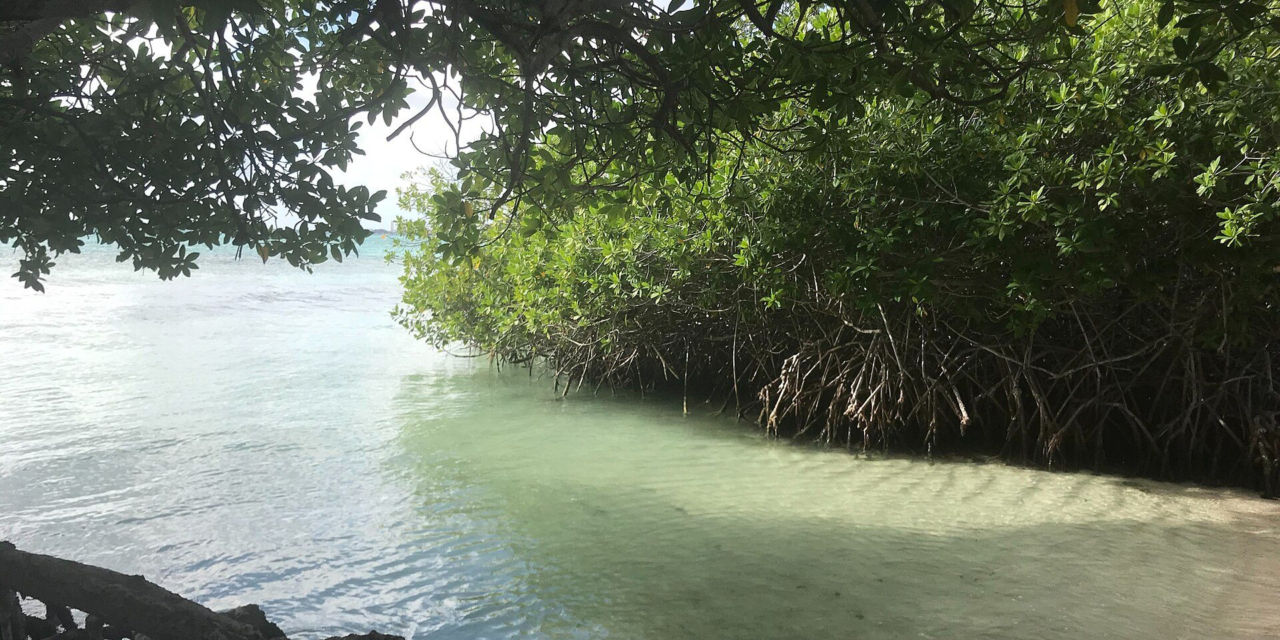
A clear kayak in Aruba gives you a see-through hull and a direct view of the reef, sea grass and fish under you while you stay dry. It’s one of the most photogenic things to do on the water here. Clear kayaking works best on calm, sheltered water, and Aruba’s south and northwest coasts have plenty of it. This guide covers where to paddle and when to go. It also explains how day and night trips differ and how to come home with photos that actually show the water under you.
Quick answer: clear kayaking in Aruba
- Calmest water: Mangel Halto and the Spanish Lagoon area on the south coast, near Savaneta.
- Night paddles: night trips set out around sunset, with underwater lights showing the sea life below.
- Best light for photos: morning or midday sun for seeing the bottom, the hour before sunset for warm, golden light.
- Who it suits: most reasonably fit visitors. Age and fitness rules vary by trip, so check before you book.
- Bring: a waterproof phone pouch with a lanyard, reef-safe sunscreen, a hat, and clothes that can get wet.
Where to go clear kayaking in Aruba
Clear kayaks need flat, clear water. Chop scatters the light and hides the bottom. That rules out Aruba’s windward north and east coasts and points you to the sheltered west and south sides.
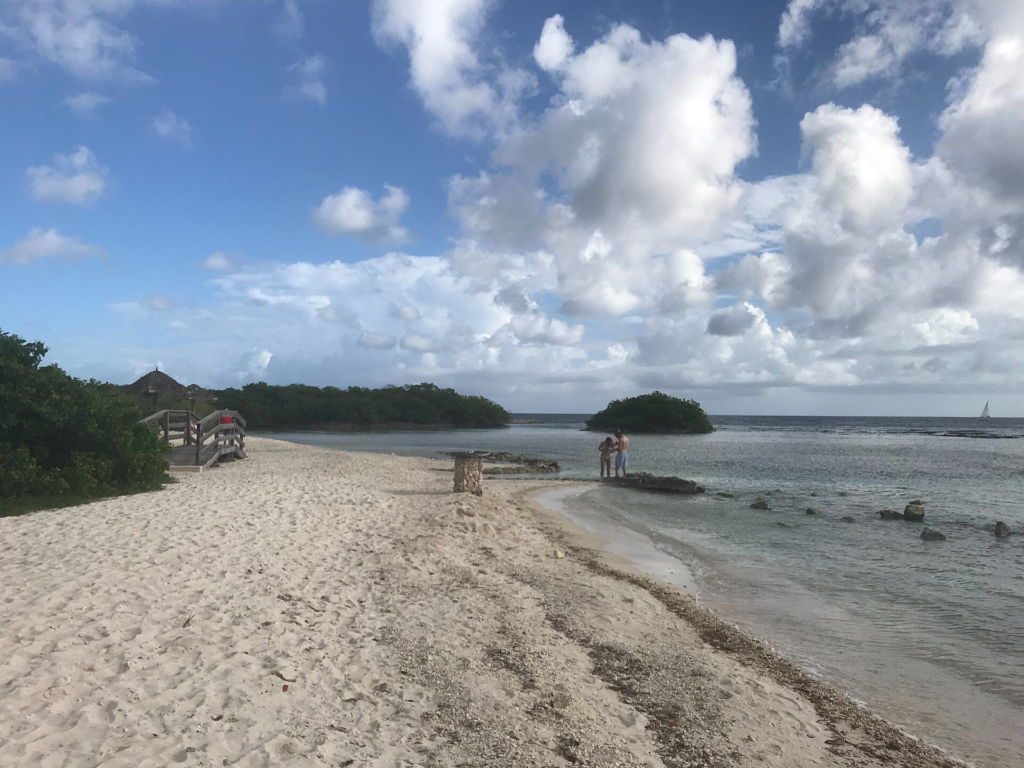
Mangel Halto and the Spanish Lagoon (south coast)
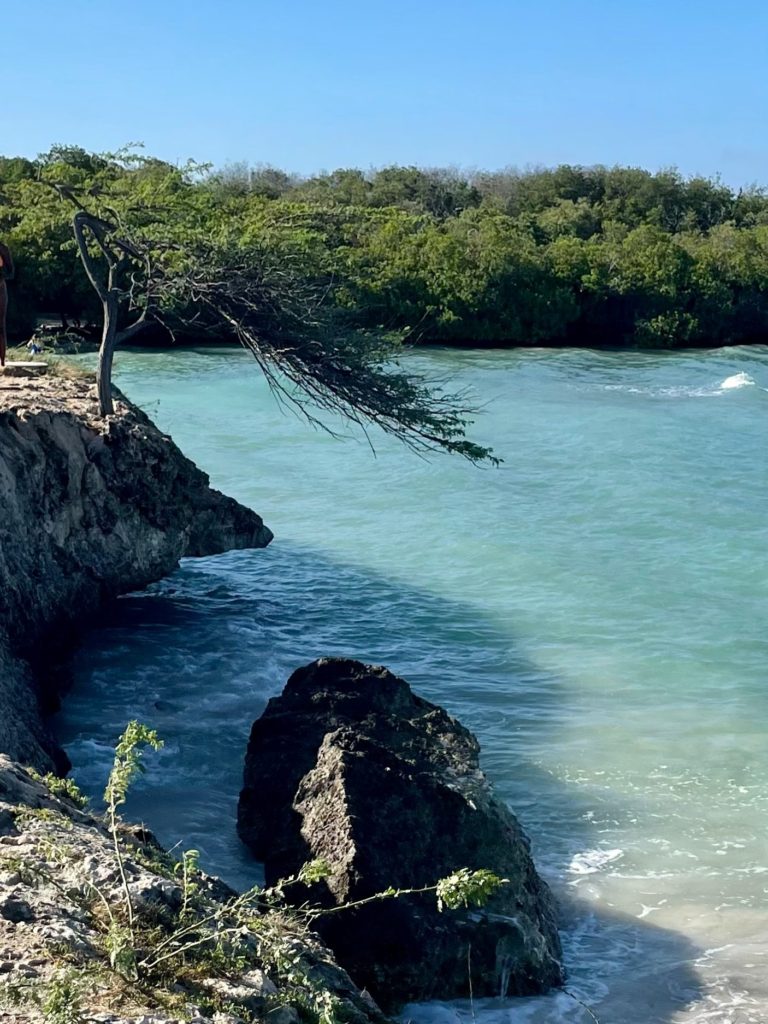
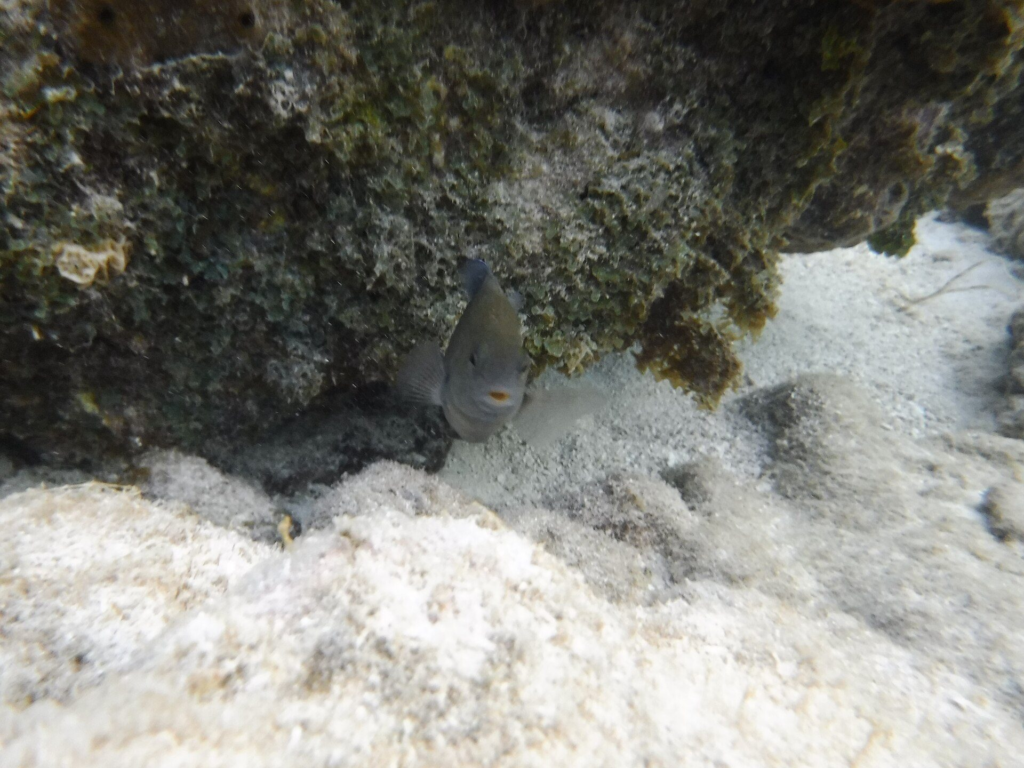
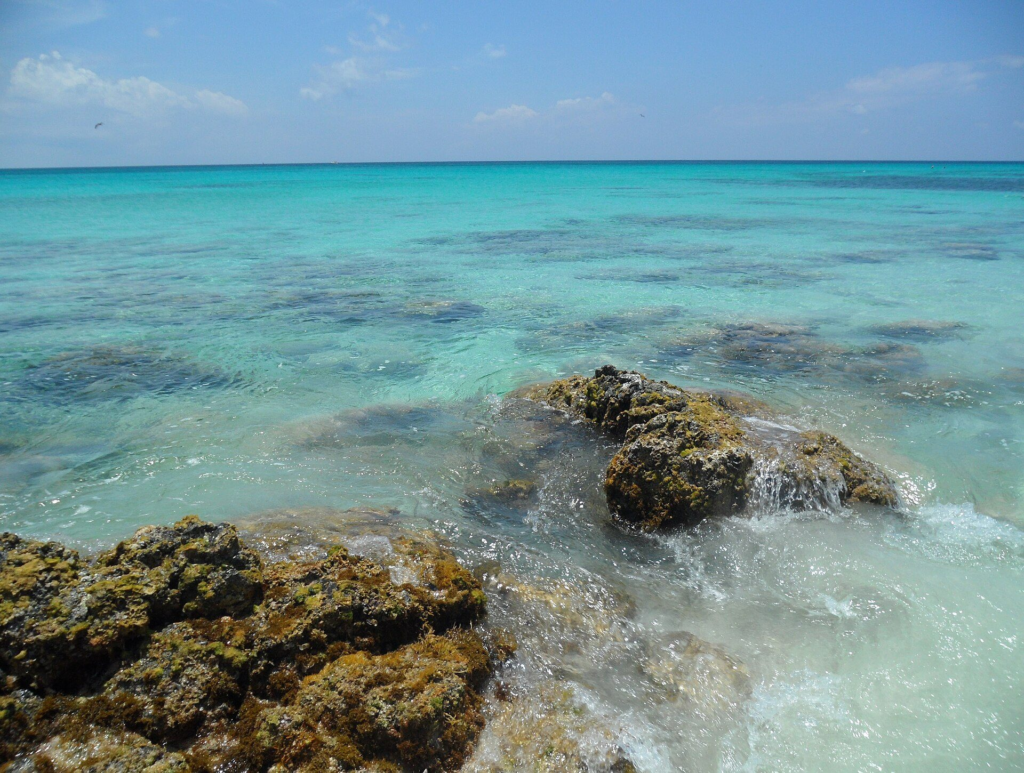
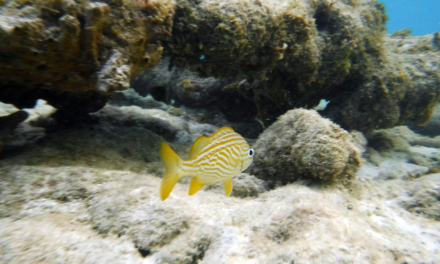
This is the classic paddling area. According to the Aruba Tourism Authority, guided kayak trips start in Savaneta, and Mangel Halto and the Spanish Lagoon are among the places they paddle to. The official Mangel Halto page describes calm, shallow water and a route through the mangroves for kayaking and paddleboarding. Under the hull you’ll see sea grass, sandy patches and reef fish. Parrotfish, yellowtail snapper and blue tangs all live along this reef.
Just to the north, the Spanish Lagoon stretches for roughly 2 km and is fringed by four kinds of mangrove. It has been a Ramsar wetland since 1980 and has been part of Arikok National Park since 2017. Young reef fish and crustaceans grow up in its sheltered water, and herons, egrets and ospreys come here to feed. Paddle slowly and quietly, keep your distance from roosting birds, and don’t grab or step on mangrove roots.
According to Wikipedia’s Mangel Halto entry, the area has also been a protected reserve in Marine Park Aruba since 2019. Many kayak trips here add a snorkel stop. If you want more time in the water, our guide to the best snorkeling spots in Aruba explains the reef and the currents outside it.
Arashi and the northwest coast
Arashi Beach, at the northern tip near the California Lighthouse road, is a white-sand beach with calm, shallow water. The official Arashi page calls it calm and good for all ages. It faces west, so it also catches the sunset. That makes it a natural place to be on the water as the light fades. On calm days, the stretch from Arashi down toward Boca Catalina and Malmok can be good for a daytime paddle too.
Eagle Beach and Palm Beach
The Aruba Tourism Authority notes that many resorts and beach activity stands along Eagle Beach and Palm Beach rent kayaks and canoes for paddling near the hotels. It’s the easiest option if you don’t want to drive. You’ll likely see less underneath than at Mangel Halto, though. Our Palm Beach guide covers the other water sports on that beach.
| Area | Coast | What’s under the hull | Best for |
|---|---|---|---|
| Mangel Halto / Spanish Lagoon | South (Savaneta, Pos Chiquito) | Mangroves, sea grass, reef fish | Daytime guided paddles, nature, snorkel combos |
| Arashi to Malmok | Northwest | White sand, reef patches, a shallow wreck | Calm-day and sunset paddles |
| Eagle Beach / Palm Beach | West (hotel area) | Less to see than the south coast | A quick paddle without a drive |
Day or night clear kayak tour?
Daytime paddles
Go in daylight if you want to see the bottom. With the sun high, light reaches the sand and lights up the colors of the reef. Morning is usually the calmest part of the day in Aruba, which is why snorkel guides suggest roughly 8 to 11 a.m. That calm water helps a lot in a clear kayak.
Night paddles
In the tour listings we reviewed (October 2026), night trips used underwater lights on the kayak to light up the water so you can watch nocturnal sea life. You set out as the sun goes down and paddle back under the night sky. The Aruba Tourism Authority says the sun sets between about 6 and 7 p.m. year-round, so night trips start in the early evening. Check the age and fitness rules for night trips before you book.
How to get the best clear kayak photos
A clear hull shows everything under you to your eyes, but a camera can struggle with it. Here’s how to get photos that look the way it felt.
- Shoot from above. The classic shot is taken from a drone or from someone standing on the shore or a dock, looking down at the kayak and the bottom through the hull. If you plan to fly a drone, check Aruba’s current drone rules before you go.
- Use the sun. High sun gives the clearest view of the bottom, and late-afternoon light gives warmer, softer color. Keep the sun behind the photographer to cut down on reflections off the hull.
- Find shallow, light-colored water. Shallow water over white sand makes the most of a clear kayak. Dark sea grass and deep water just look dark.
- Keep the hull clean. Rinse off sand and wipe away drips before the photo. Sit still for a moment so the water around you settles.
- Wear bright colors. Yellow, red or white swimwear stands out against turquoise water.
- Protect your phone. Use a waterproof pouch on a lanyard around your neck or wrist, not a loose phone in your lap.
- At night: turn off the flash, hold the phone steady against your knee, and use night mode to capture the lit-up water.
Want professional photos of your trip? Read our guide to planning a sunset photoshoot in Aruba and our list of the most photogenic spots in Aruba.
What to bring and wear
- A swimsuit or quick-dry clothes. Expect to get splashed.
- Reef-safe, oxybenzone-free sunscreen. Since July 2020, Aruba has penalized the import, sale and production of sunscreen containing oxybenzone (VisitAruba). A hat and a long-sleeve rash guard help too, since sun reflects up off the water.
- Water shoes for rocky launch spots.
- Water to drink, and a light layer for a night paddle.
Our full Aruba packing list covers the rest.
Safety and etiquette
- Wear the life vest you’re given, even in shallow water.
- Stay on the sheltered side of the island. Aruba’s trade winds blow from the east, so the north and east coasts get rough water.
- Don’t land on or scrape over coral, and don’t stand on the reef.
- Give birds in the mangroves plenty of room, and don’t touch or feed wildlife.
- Paddle with a guide or a buddy, and check the wind before a self-guided rental.
FAQ
Where is the best place for clear kayaking in Aruba?
The calm, mangrove-lined water at Mangel Halto and the Spanish Lagoon on the south coast is the top pick. Arashi Beach in the northwest is a good choice for a calm paddle that faces the sunset.
Is clear kayaking in Aruba good for beginners?
Yes. The sheltered spots are calm and shallow, and you don’t need any experience to paddle a clear kayak. Guided trips usually start with a short briefing.
Can you go clear kayaking at night in Aruba?
Yes. Night trips start around sunset and use underwater lights to show the sea life under the kayak.
Are there age limits for clear kayak tours?
Age limits depend on the trip, so check the minimum age when you book.
What is the best time of day for clear kayak photos?
Midday sun shows the bottom most clearly, and late afternoon gives warmer light. Mornings are usually calmest, which keeps the water smooth.
Sources
- Kayak and Canoe (Aruba Tourism Authority)
- Mangel Halto (Aruba.com)
- Arashi Beach (Aruba.com)
- Aruba Sunset and Sunrise Time (Aruba Tourism Authority)
- Spanish Lagoon (Wikipedia)
- Marine Park Aruba (Wikipedia)
- Mangel Halto (Wikipedia)
- Aruba Snorkeling Adventures (Snorkel Around the World)
- Aruba Officially Bans Plastics and Oxybenzone (VisitAruba)


_04.jpg)

