Figuring out what to bring on a UTV tour in Aruba mostly comes down to three things: dust, sun and a swim stop you might not have planned for. These trips run over dirt tracks, rocky ground and coastal roads that ordinary cars can’t handle. Wind and dust come at you the whole way, and there’s very little shade. Pack well and the ride is just fun. Pack badly and you’ll spend half of it squinting, sunburned or wishing you had different shoes.
Below is the list we’d hand a friend the night before, plus what to leave at the hotel and a few rules worth knowing before you book.
Quick answer: the UTV packing list
- Must-haves: valid driver’s license (if you’re driving), closed-toe shoes, sunglasses or goggles, reef-safe sunscreen of SPF 30 or higher, water.
- Strongly recommended: a buff or bandana for dust, a hat with a chin strap or a snug cap, a light long-sleeve layer, a zip pouch for your phone.
- If your route has a swim stop: swimsuit worn under your clothes, a small quick-dry towel, water shoes.
- Leave behind: flip-flops, anything white you want to stay white, loose jewelry, big bags.
Why UTV tours need their own packing list
A UTV (utility terrain vehicle, sometimes called a side-by-side) is open to the air. You’re the driver, and a guide leads your group along fixed off-road routes. In the tour listings we reviewed (October 2026), most trips lasted about four hours, with a range of three to six. Morning departures were around 8 or 9 AM and afternoon ones around 1:30 or 2 PM.
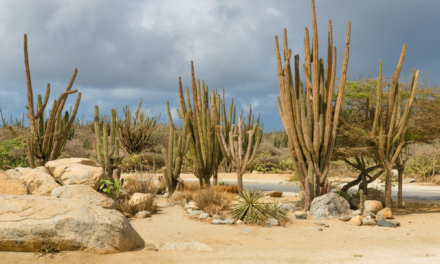
Aruba is hot and dry for most of the year. The Aruba Tourism Authority puts typical temperatures between 80°F and 90°F (27–32°C) and average yearly rainfall at about 18 inches. It also notes that the trade winds blow steadily and get stronger from May to October. Steady wind plus dry dirt tracks means dust, and when you’re behind other vehicles in a convoy you’ll catch plenty of it.
What to wear
Shoes: closed-toe, no exceptions
Tour listings ask for closed-toe shoes. Sneakers or trail shoes are ideal. You’ll be working the pedals on bumpy ground and stepping out onto loose rock and sand at photo stops. Sandals slide off, and flip-flops leave your toes open to cactus spines and hot stones. If your route includes a swim, pack a pair of water shoes as well.
Clothes you don’t mind ruining
Expect your clothes to come home a shade of reddish-brown. Wear something comfortable and breathable that you don’t care about. Dark or earth-toned fabrics hide the dust best. A light long-sleeve sun shirt over a tank or swimsuit does two jobs: it keeps sun off your arms and keeps grit off your skin. Leave out anything loose and flowing that could flap into your face at speed.
Eyes, face and hair
- Sunglasses or goggles: with this much wind-blown grit, the listings advise wearing one or the other. Wraparound sunglasses work better than fashion frames. Contact lens wearers will be glad of goggles.
- A buff or bandana: pull it over your nose and mouth when the convoy kicks up dust. Bring your own.
- Hat: a regular baseball cap will blow off. Choose a snug cap you can turn backward, or a hat with a chin strap. Long hair goes in a low braid or bun.
Sun protection: take it more seriously than you think
Riding in an open vehicle with a breeze on your face hides how much sun you’re getting. The tanning advice from VisitAruba points out that Aruba sits fairly close to the equator. It recommends sunscreen of SPF 30 or more with both UVA and UVB protection, reapplied about every two hours and after swimming, even if the label says waterproof. It also reminds visitors that you can burn under clouds.
- Put on your first coat before you leave the hotel, while your skin is still clean.
- Bring a small tube or stick to reapply at a stop. Sticks are easier with dusty hands.
- Don’t miss the backs of your hands, your knees and your ears. They get direct sun the whole time you’re driving.
- Use a lip balm with SPF.
Reef-safe matters here. Aruba has penalized the import, sale and production of sunscreen with oxybenzone since July 2020, according to VisitAruba’s news report on the law. Pack a reef-safe, oxybenzone-free sunscreen, and if you buy it at home, check the label before you pack it, especially if your tour stops to swim.
What to carry (and how)
Water and snacks
Most tours provide water, and some add sodas or snacks. Some morning tours include a local lunch, while afternoon tours usually don’t. Look at what your particular trip includes. Even if water is supplied, a refillable bottle of your own is a smart backup on a four-hour trip in the heat. Eat something before you go, because a bumpy ride on an empty stomach is not pleasant.
Phone and camera
Tour listings recommend securing phones and cameras, and anyone who has watched a phone bounce out of a cupholder knows why. Options that work:
- A zip-top bag or waterproof phone pouch on a lanyard. It keeps out dust as well as water.
- A crossbody belt bag worn in front of you.
- For action video, an action camera on a chest or helmet mount, if your guide allows it.
Dust is hard on camera lenses and zoom mechanisms. If you bring a good camera, keep it bagged between stops and carry a lens cloth.
Documents and money
- Driver’s license: UTV tours ask for a valid license from anyone driving. Ask whether passengers need ID; minimum ages differ by tour and by seat count.
- A little cash or a card: for a cold drink at a stop, or a tip for your guide if the service was good.
- Booking confirmation: a screenshot works fine.
If your route includes a swim stop
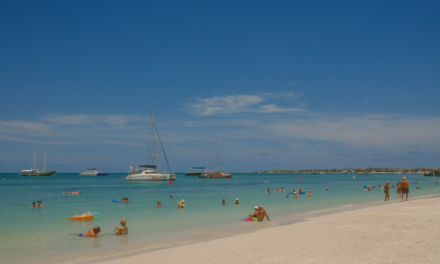
Some UTV itineraries include a swim or a beach stop on the north coast. Wear your swimsuit under your clothes, because changing at a remote stop isn’t easy. Bring a thin quick-dry towel that packs small, and water shoes for rocky entries.
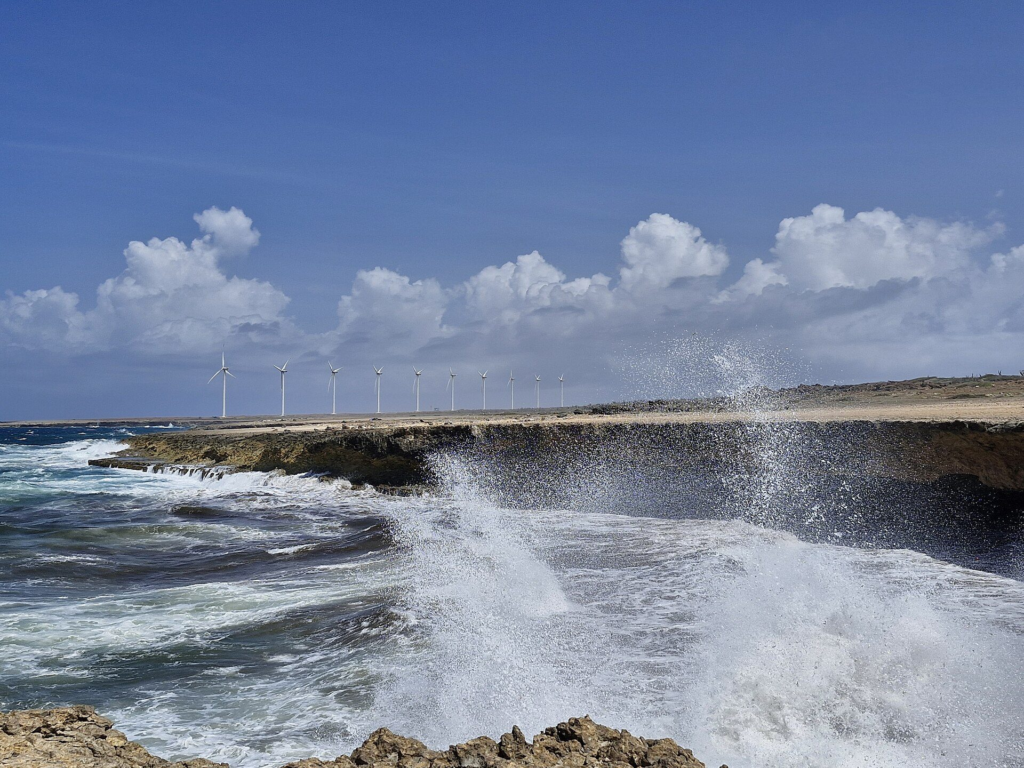
A word of caution about the north coast: much of it faces open ocean with strong currents. The tourism authority’s page on Andicuri Beach, for example, says experienced swimmers can go in but need to watch for currents. If your guide says not to swim at a spot, stay out.
What to leave at the hotel
| Leave it | Why | Bring instead |
|---|---|---|
| Flip-flops and sandals | Unsafe on pedals and rocky ground | Sneakers or trail shoes |
| White or light-colored clothes | Dust stains them fast | Dark or earth-toned layers |
| Loose jewelry and dangling earrings | Easy to lose, can snag | Nothing, or a simple watch |
| Large backpack or tote | Little storage room, bounces around | Small belt or crossbody bag |
| Sunscreen with oxybenzone | Its import and sale are penalized in Aruba | Oxybenzone-free sunscreen, SPF 30+ |
Know before you book
- UTVs can’t go into Arikok National Park. The park’s managing foundation, Aruba Conservation Foundation (ACF), says ATVs, UTVs and motorbikes are prohibited in its protected nature areas. If you want to see the Natural Pool or the caves of Arikok National Park, read our comparison of jeep and UTV tours before you choose.
- It’s a physical ride. Tour listings say these trips aren’t recommended for guests who are pregnant or who have back, neck or other physical issues. Lonely Planet also warns that bumpy off-road rides may not suit people prone to motion sickness.
- Minimum ages vary. Listed minimums run from age 4 to 18 depending on the vehicle and the tour, and four-seaters often allow younger riders than two-seaters.
- Morning or afternoon? Mornings are cooler. Afternoon runs can end in golden light.
If dust and driving aren’t your thing, a guided jeep tour covers many of the same viewpoints with someone else at the wheel. Our guide to Aruba’s north coast describes the stops most off-road routes visit. For the rest of your suitcase, see the full Aruba packing list.
FAQ
What should I wear on a UTV tour in Aruba?
Wear closed-toe shoes, comfortable breathable clothes you don’t mind getting dusty, and sunglasses or goggles. A light long-sleeve layer, a snug hat and a buff or bandana for dust make the ride much more comfortable.
Do I need a driver’s license for a UTV tour in Aruba?
Yes, if you’ll be driving. UTV tours ask drivers for a valid license. Passenger age minimums differ by tour and vehicle size, so check the details before booking.
Will I get dirty on a UTV tour?
Almost certainly. Tracks are dry and dusty, and you’ll be riding in convoy behind other vehicles. Wear dark clothes and plan on a shower afterward.
Should I bring a swimsuit?
Only if your itinerary has a swim stop. If it does, wear the swimsuit under your clothes and bring a small towel and water shoes. Follow your guide’s advice, because many north coast spots have strong currents.
Can a UTV tour visit the Natural Pool in Arikok National Park?
The Aruba Conservation Foundation prohibits UTVs, ATVs and motorbikes in its protected areas, including Arikok National Park. UTV tours never go into the park or to the Natural Pool. To see the pool, book a guided jeep tour, or go on horseback or on foot.
What sunscreen can I use in Aruba?
Use a reef-safe sunscreen without oxybenzone. Aruba has penalized the import, sale and production of sunscreen with oxybenzone since July 2020. SPF 30 or higher, reapplied about every two hours, is the usual advice.
Sources
- Tour listings we reviewed (October 2026)
- Weather and Climate – Aruba Tourism Authority
- Tanning Advice – VisitAruba
- Aruba Officially Bans Plastics and Oxybenzone – VisitAruba News
- Andicuri Beach – Aruba Tourism Authority
- Experiences – Aruba Conservation Foundation
- Guide to Arikok National Park – Lonely Planet