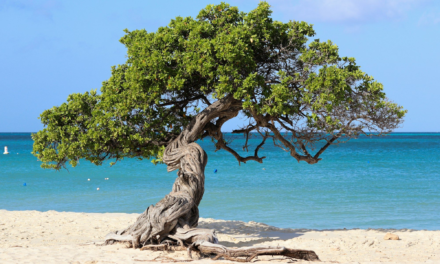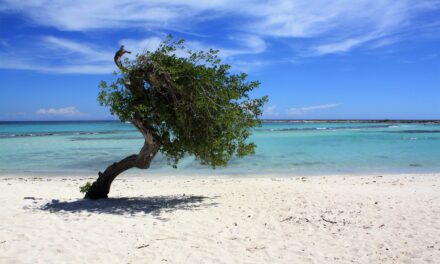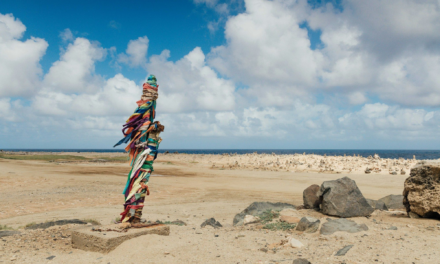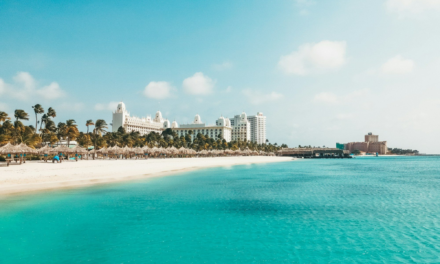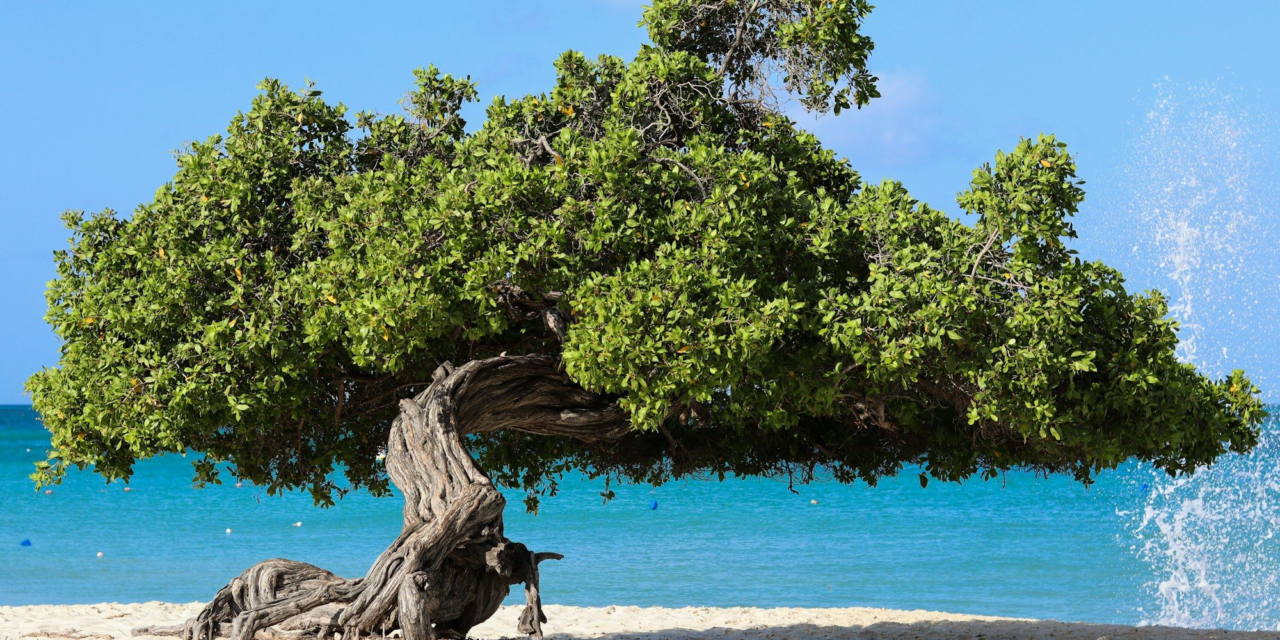
Eagle Beach in Aruba is the island’s widest beach, with soft white sand, calm Caribbean water and a pair of fofoti trees that rank among the most photographed in Aruba. It sits on the edge of Oranjestad, backed by low-rise hotels rather than towers, so it feels open and relaxed even on busy days. This guide covers the fofoti trees, where to set up, what it costs, the sea turtles that nest here, and how to time your visit for photos and sunset.
Eagle Beach Aruba: quick facts
- Where: West coast, in the Oranjestad West area, between Druif Beach and the Palm Beach hotel strip.
- Known for: The widest beach in Aruba and its famous fofoti trees.
- Cost: Free. Aruban beaches are public. Chair and umbrella rentals cost extra.
- Facilities: Parking, shade huts, rentals, food and drink nearby; public bus stop.
- Water: Calm and clear, good for swimming.
- Wildlife: Most of Aruba’s sea turtle nests are on Eagle Beach.
- Ranking: Voted the #3 beach in the Caribbean in 2026 travelers’ choice awards, according to the Aruba Tourism Authority.
Why Eagle Beach is so popular
Most Caribbean beaches give you a strip of sand between the water and a row of hotels. Eagle Beach gives you room. The Aruba Tourism Authority describes it as the widest beach on the island, and AFAR measures the soft white sand at about a mile long. The hotels along it are low-rise and many sit across the road, so the sand itself feels wide and uncluttered compared to Palm Beach just up the coast.
The water is usually calm and clear, which makes it an easy swim for most people. Eagle Beach, also known as Arend Beach, is a neighborhood in its own right, part of the Oranjestad West district.
The fofoti trees: what they are and how to visit
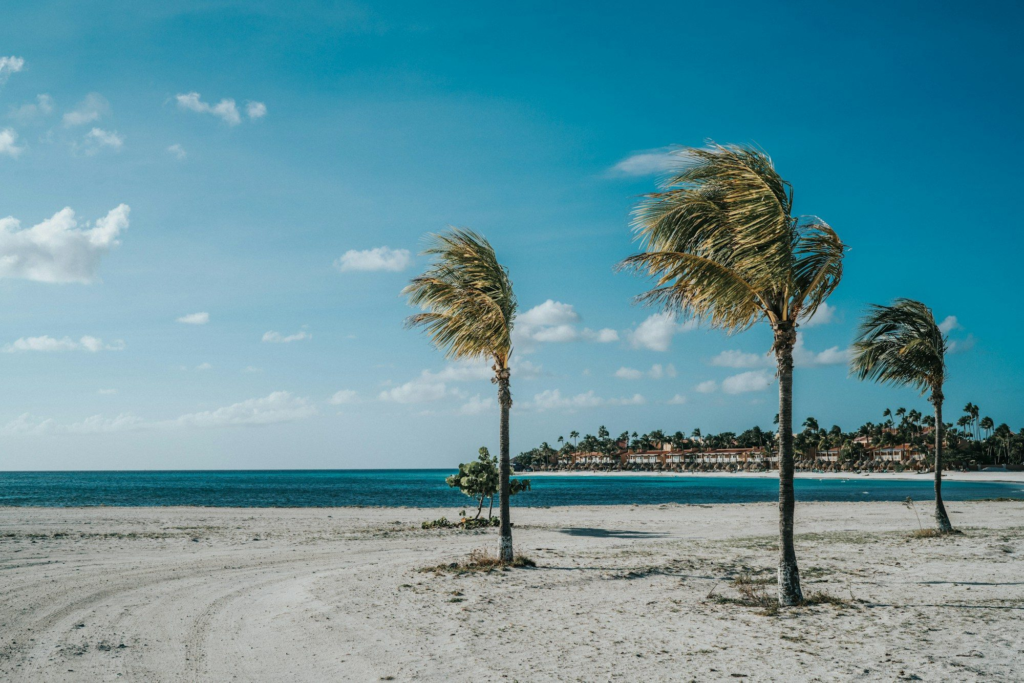
The two trees that put Eagle Beach on the map are fofoti trees. Their bent trunks lean out toward the Caribbean, and the pair have starred in Aruba’s tourism advertising, which is a big reason you’ll see a line of people waiting to photograph them.
A few ground rules keep the trees healthy:
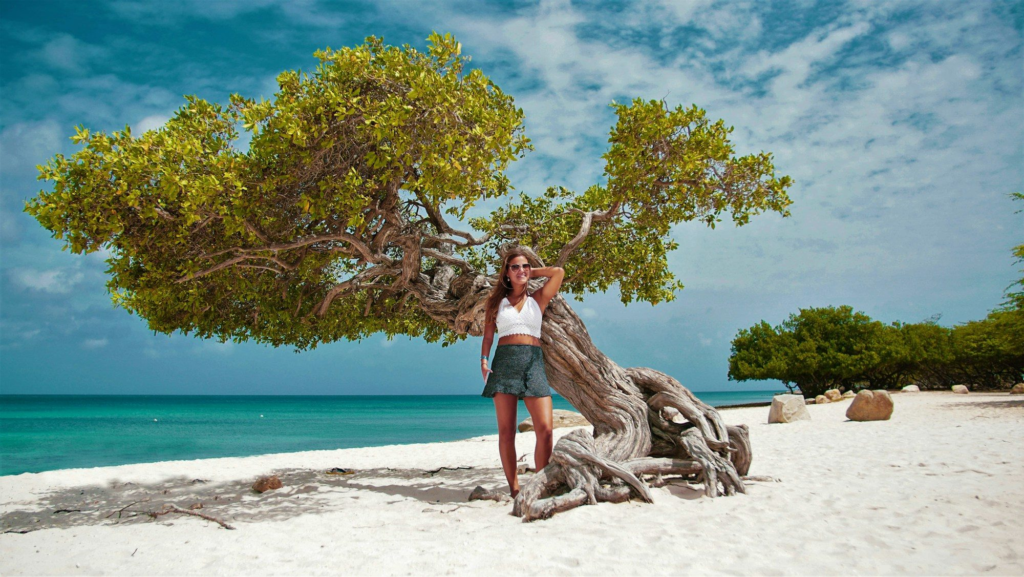
- Don’t sit or stand on them. The tourism board specifically asks visitors not to.
- Don’t hang anything on the branches. It can damage the trees and slow their growth.
- Share the spot. Take your shots and step aside so the next group gets a turn.
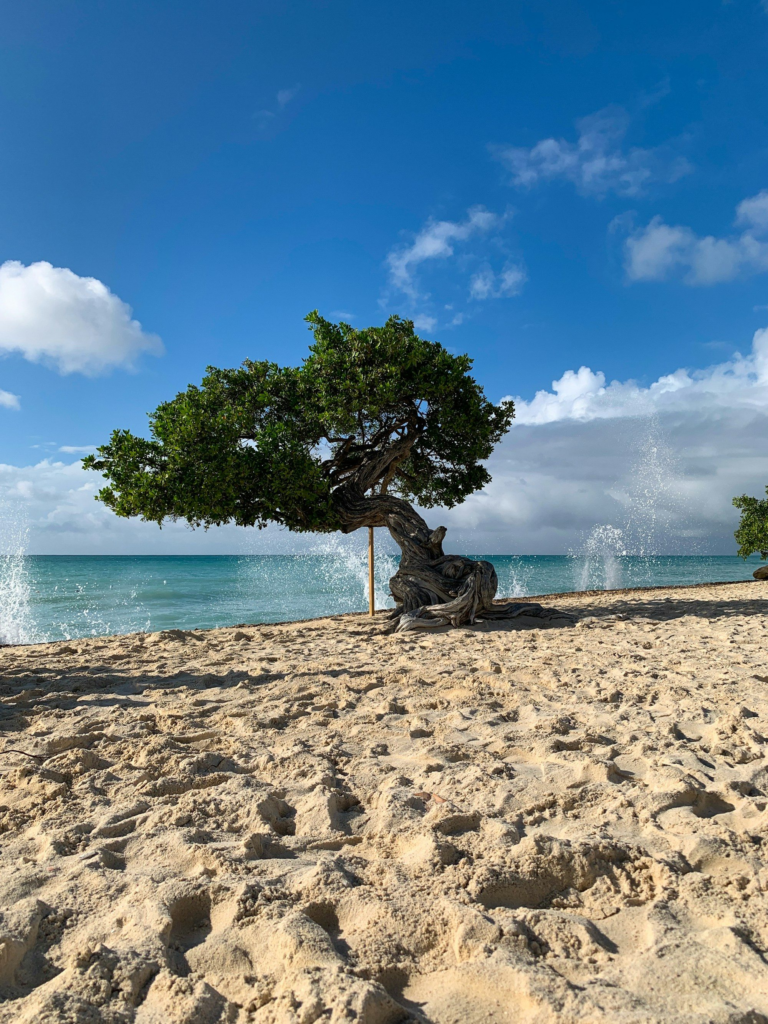
Photo tips for the fofoti trees
- Go early. Morning brings softer light and fewer people waiting for the same frame.
- Stay for golden hour. The trees face the sea on the island’s Caribbean side, so late afternoon can backlight the branches nicely as the sun drops toward the water.
- Shoot low. Crouching makes the trunk look more dramatic against the sky and hides footprints in the sand.
- Think about a photographer. If you want polished portraits rather than phone snaps, a sunset photoshoot in Aruba with a local photographer is a natural fit for this backdrop.
Sea turtles on Eagle Beach
Four species of sea turtle nest in Aruba: leatherback, hawksbill, green and loggerhead. The tourism board’s Eagle Beach page says most nests are found here, and its turtle guide points to the low-rise hotel area as a good place to see nesting and hatching. Nesting season runs March through September, and hatchlings emerge from May through November.
You’ll often see nests marked off with barricades. Lonely Planet notes that parts of the beach can be closed to protect them. Here’s how to help:
- Keep lights off on the beach at night, including phone flashlights and flash photography.
- Watch nesting turtles from a distance and stay quiet.
- Let hatchlings crawl to the water on their own; don’t pick them up.
- Don’t leave chairs or other gear on the sand overnight.
- Pack out all trash, especially plastic bags and balloons.
- If you spot a nest or hatchlings, call Turtugaruba at +297 592 9393.
What it costs: chairs, umbrellas and shade
Getting onto Eagle Beach is free. All Aruban beaches are public. You’ll find ample public parking, shaded areas, some beach huts and vendors renting loungers and umbrellas. Many nearby hotels have cabanas and loungers reserved for their own guests.
Budget for rentals if you want a guaranteed shady seat. Lonely Planet reported in December 2025 that some vendors charge at least US$50 for two basic chairs for the day, and recommended carrying enough cash. Huts are limited, so if you want one, arrive early or bring your own umbrella.
| Option | Cost | Good to know |
|---|---|---|
| Beach access | Free | All beaches in Aruba are public |
| Public shade huts | Some available | Limited; arrive early |
| Vendor chair rental | At least US$50 for two chairs per day (Lonely Planet, Dec 2025) | Bring cash |
| Hotel loungers and cabanas | Included for guests | Generally reserved for guests |
Swimming and water sports
Eagle Beach’s water is typically calm and clear. The tourism board mentions a variety of water sports, and AFAR points out one practical detail: jet skis sometimes pass through a small zone, so walk a little way along the beach to find quieter water for swimming. For shore snorkeling, the rockier coves up north are the usual picks; see our best snorkeling spots in Aruba for where to go.
Manchebo Beach is technically part of Eagle Beach. A beachfront resort here runs an open-air yoga pavilion that’s open to non-guests, and the sand is also a turtle nesting zone. Druif Beach, separated from Eagle Beach by the Punto Brabo peninsula, sits closer to Oranjestad.
Sunsets on Eagle Beach
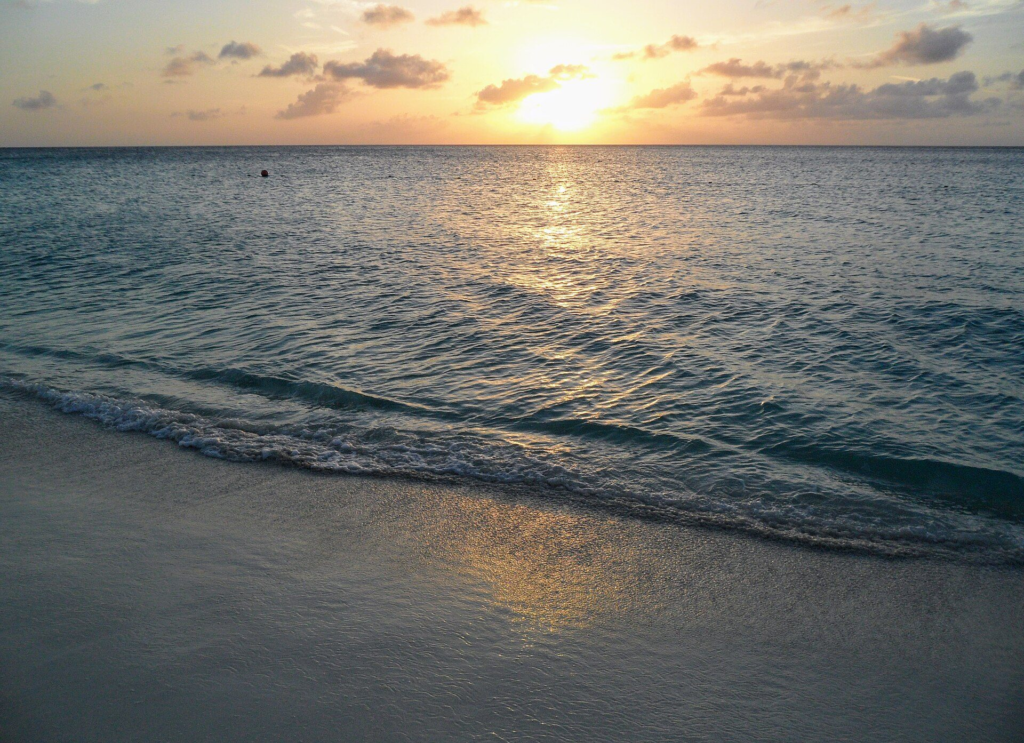
Eagle Beach sits on Aruba’s west coast, looking out over the Caribbean, which makes it one of the easiest places on the island to watch the sun go down. Plan to arrive 45 minutes or so before sunset to claim a spot near the fofoti trees, and check the exact sunset time for your date, since it shifts through the year. For more options around the island, see our ranking of the best sunset spots in Aruba, or watch from the water on a sunset cruise.
Getting to Eagle Beach
- By bus: Arubus Line 10 runs from the main Oranjestad bus station, across from the cruise terminal, to Eagle Beach and on to Palm Beach. As of October 2026, Arubus lists a single trip at $2.60 per person, paid in cash on board.
- By car: The tourism board describes ample parking along the beach.
- By taxi: Fares in Aruba are fixed by the government; confirm the price before you get in. Carry cash in small bills; card payment may be possible when you book through the official taxi app.
For a full rundown of options, read getting around Aruba.
Food, drinks and nearby stops
Several hotels along the road have restaurants, and the tourism board’s Eagle Beach page lists Quinta del Carmen, Ike’s Bistro, Eagle Bowling Palace and P.F. Chang’s among nearby spots within about a mile. Bring plenty of water for a full beach day.
Tips for a great day on Eagle Beach
- Use reef-safe sunscreen. Since July 2020, Aruba has penalized the import, sale and production of sunscreen containing oxybenzone, so pack an oxybenzone-free formula.
- Leave the sand and shells. The tourism board asks visitors not to take sand, shells or coral.
- Expect crowds in high season. The tourism board notes it gets busy, so go early for the best spots.
- Easter week is special. Local families traditionally camp on the beach during Easter, so expect a festive, busier scene.
Comparing beaches before you go? Our guide to the best beaches in Aruba shows how Eagle Beach stacks up against 14 others.
FAQ
Is Eagle Beach free to visit?
Yes. All beaches in Aruba are public, so access is free. You only pay if you rent chairs or umbrellas from vendors.
Can you sit on the fofoti trees at Eagle Beach?
No. The Aruba Tourism Authority asks visitors not to sit, stand or hang items on the fofoti trees, because it damages them. Pose next to them instead.
Is Eagle Beach good for swimming?
Yes. The water is usually calm and clear. Jet skis sometimes pass through one small area, so move along the beach for quieter water.
Is Eagle Beach or Palm Beach better?
Eagle Beach is wider and more relaxed, with low-rise hotels. Palm Beach is livelier, with high-rise resorts, bars and more water sports. Choose Eagle for space and Palm for action.
When can you see sea turtles on Eagle Beach?
Turtles nest from March through September, and hatchlings emerge from May through November. Keep lights off at night and call Turtugaruba at +297 592 9393 if you see a nest or hatchlings.
How do you get to Eagle Beach by bus?
Take Arubus Line 10 from the main Oranjestad bus station. A single trip costs $2.60 per person in cash, as of October 2026.
Sources
- Eagle Beach, Aruba Tourism Authority
- Beaches and Coves, Aruba Tourism Authority
- Best Things to Do in Aruba, Aruba Tourism Authority
- How to Protect Our Sea Turtles During Your Vacation, Aruba Tourism Authority
- Leave Only Footprints, Aruba Tourism Authority
- Arashi Beach, Aruba Tourism Authority
- Guide to Aruba Transportation, Aruba Tourism Authority
- Aruba’s Best Beaches, Lonely Planet
- 10 Must-Visit Beaches in Aruba, AFAR
- Eagle Beach, Wikipedia
- FAQ, Arubus
- Aruba Officially Bans Plastics and Oxybenzone, VisitAruba