
The Antilla shipwreck in Aruba is the island’s best-known wreck and one of the largest in the Caribbean. It’s a German freighter about 400 feet long that its own crew scuttled off Malmok as Germany invaded the Netherlands in May 1940. Today it lies on its side in clear water, and some of it is shallow enough for snorkelers to see from the surface. Divers can swim along the whole hull. This guide covers the history and how to visit, whether you’re snorkeling or diving.
Antilla shipwreck: quick facts
- What it is: the SS Antilla, a German cargo ship launched in Hamburg in March 1939.
- Where: Malmok Bay, off Aruba’s northwest coast, roughly 700 meters from shore.
- Size: 121.4 meters (398 feet) long.
- Depth: up to about 60 feet (18 meters). Part of the hull comes close to the surface.
- Sunk: scuttled by its crew in May 1940.
- How to visit: by boat, on a snorkel cruise or a guided dive.
The history of the Antilla shipwreck in Aruba
The Antilla was built at the Deutsche Werft yard in Hamburg and launched on March 21, 1939. On its maiden voyage in July 1939 it sailed from Hamburg to Curaçao and then to Galveston, Texas, where it took on sulphur bound for Europe. That’s according to the Dutch Cultural Heritage Agency’s wreck record. It was named after the town of Antilla in eastern Cuba.
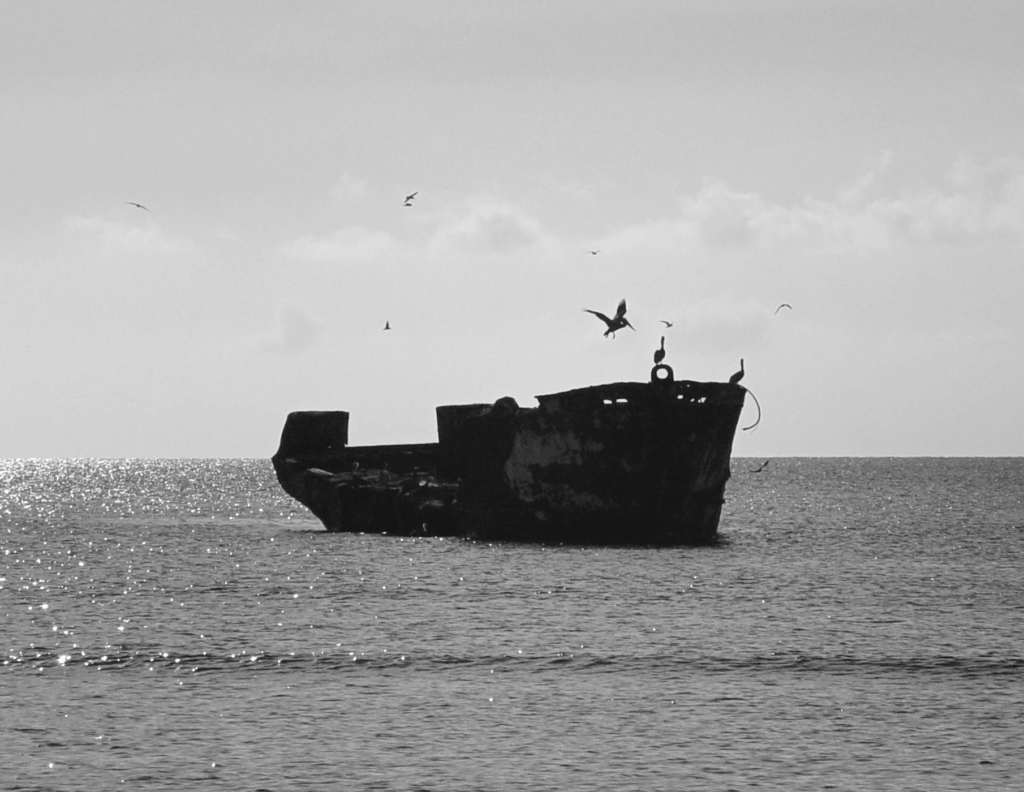
In August 1939, as war approached, Captain Ferdinand Schmidt received sealed orders. The ship couldn’t get back to Germany in time, so it took refuge in a neutral port, and Schmidt picked Aruba. It stayed off Aruba into 1940. On May 10, 1940, Germany invaded the Netherlands, and Dutch forces moved to seize German ships in the Caribbean. Smithsonian Magazine reports that Dutch marines tried to board in the early hours, and Schmidt refused. That gave his crew time to open the seacocks and set the ship on fire. Sources disagree on whether it went down on May 10 or 11. The 35 crew members were interned, and Wikipedia says they were later moved to Jamaica and held there for the rest of the war.
A well-known dive-boat story says the crew blew up the boilers. Smithsonian calls that story largely false. The heritage record lists it among several myths about the ship, along with claims that it served as a U-boat supply vessel.
How the wreck has changed
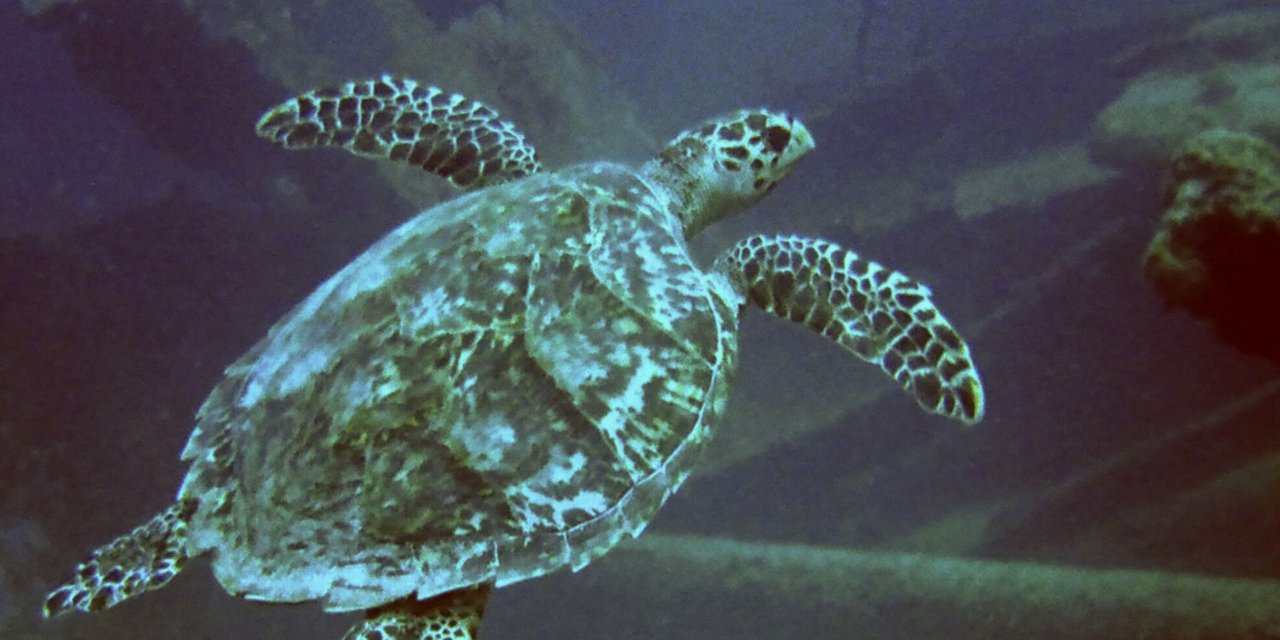
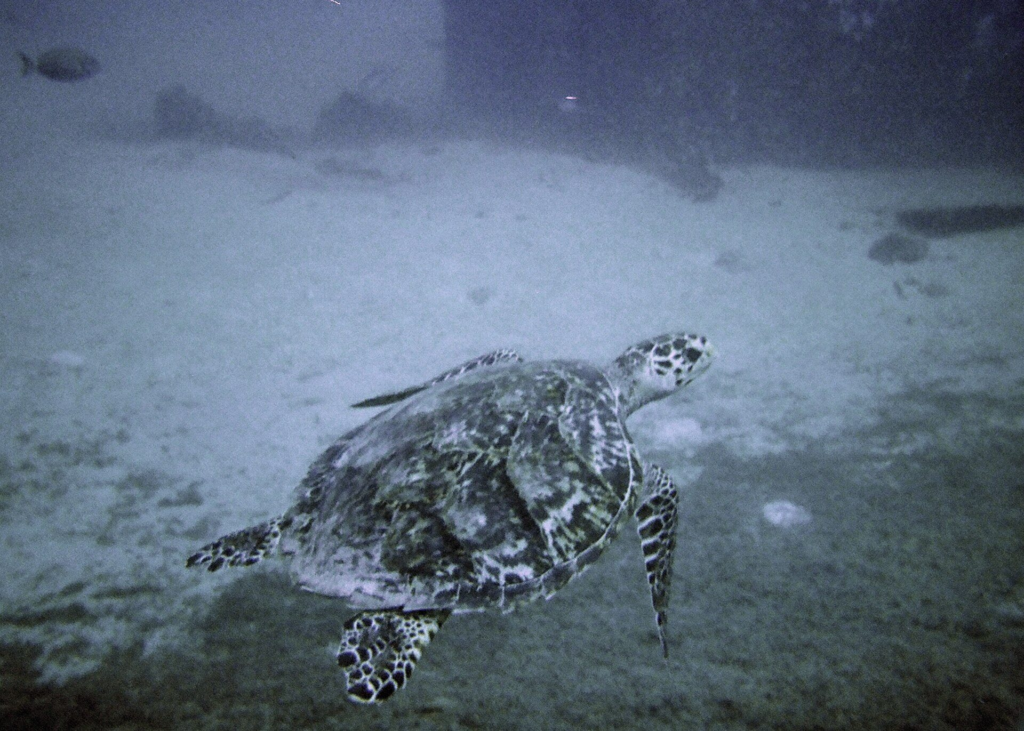
Divers who visited during the war found the ship intact. By about 1953 storms had broken it in two, and later storms broke it up further. Today it lies on its port side. Over 80-plus years it has become an artificial reef. Corals, tube sponges, lobsters, moray eels, blue tangs and hawksbill turtles all live on and around it.
Snorkeling the Antilla
You can see a lot of the Antilla from the surface. The Aruba Tourism Authority says the shallow depth and clear water let snorkelers see the wreck from above. From the top you’ll see the outline of the hull, the parts that come close to the surface, and schools of fish around the structure.
Plan to go by boat. The wreck is about 700 meters off Malmok, and Snorkel Around the World warns that the current between the beach and the wreck can be stronger than it looks. It recommends a guided trip instead of swimming out yourself. Visibility is at its best on calm days. Trade winds can churn up the surface, so calm early mornings are usually the best bet.
Smithsonian notes that the snorkel tours all visit the wreck. Most cruises along the west coast stop here, often pairing it with a calmer reef or turtle spot nearby. The Antilla is in the middle of Aruba’s busiest snorkeling area, a short distance from Boca Catalina and Malmok Beach. Our guide to the best snorkeling spots in Aruba covers those shore sites.
Tips for snorkeling the wreck
- Wear the flotation vest the crew gives you, especially if you aren’t used to open water.
- Stay near the boat and the group, and pay attention to the crew’s briefing on the current.
- Bring an underwater camera or a phone in a waterproof case. The hull and the fish over it make good photos.
- Use reef-safe, oxybenzone-free sunscreen. Since July 2020, Aruba has penalized the import, sale and production of oxybenzone sunscreen (VisitAruba).
Diving the Antilla
For divers, the Antilla is one of the main wreck dives in Aruba. The Dutch dive guide Duikersgids lists the deepest point at 16 meters and the highest at 5 meters, with a sandy bottom. It rates the site as suitable for all levels and the current as generally mild. It also notes that the site gets crowded and suggests coming up along the descent line. DeeperBlue warns that storm damage has made some parts unsafe to go inside. Wikipedia reports that some divers now consider the wreck unsafe to enter. Unless you’re trained and guided for wreck penetration, stay on the outside.
Because Duikersgids rates it for all levels, the Antilla is a realistic goal for newer divers on a guided dive. If you’ve never dived before, our beginner’s guide to scuba diving in Aruba explains how an introductory dive works and its depth limits.
Snorkel or dive? A quick comparison
| Snorkeling | Scuba diving | |
|---|---|---|
| Experience needed | None, with flotation and a guide | Certification, or an introductory dive with an instructor |
| What you see | The outline of the hull, the shallow parts, fish schools | The full length of the hull, coral growth up close, moray eels and lobsters |
| Typical format | One stop on a multi-stop snorkel cruise | A dedicated boat dive |
| Best conditions | Calm early mornings | Calm days. Check with your guide |
Other wrecks near Aruba
The Antilla is the biggest name, but there are other wrecks worth knowing about.
- SS Pedernales: a tanker torpedoed by a German U-boat while it lay at anchor at San Nicolas on February 16, 1942. What’s left of it now lies in about 25 feet of water off the west coast, which makes it a popular shallow dive (Wikipedia).
- The Kappel tugboat at Mangel Halto: a small wreck at about 12 meters, reachable from shore on the south coast (Wikipedia).
- The Baboo off Malmok: a small wreck in shallow water close to shore, described by Snorkel Around the World.
Lonely Planet counts more than 10 diveable wreck sites along Aruba’s southwest and west coasts.
Combine the Antilla with the rest of the northwest
The wreck is just off the stretch of coast that runs up to the California Lighthouse. After a morning on the water you can have lunch near the beach, then drive or tour up to the lighthouse and Arashi Beach. Our catamaran cruise guide compares the boat trips that stop at the wreck. Our north coast guide covers the wilder side of the island.
FAQ
How deep is the Antilla shipwreck?
Up to about 60 feet (18 meters). Part of the hull comes close to the surface, which is why snorkelers can see it.
Can you snorkel the Antilla shipwreck?
Yes. It’s one of the most popular snorkel stops in Aruba. Most people get there by boat, because it’s about 700 meters offshore and the current can be strong.
Why was the Antilla sunk?
Its German crew scuttled it in May 1940, after Germany invaded the Netherlands and Dutch forces moved to seize the ship at anchor off Aruba.
How big is the Antilla?
About 121 meters (398 feet) long, which makes it one of the largest shipwrecks in the Caribbean.
Can you go inside the Antilla wreck?
Storm damage has broken up the ship, and some divers consider the interior unsafe. Most recreational divers stay on the outside. Only trained wreck divers with a guide should consider going in.
Where is the Antilla shipwreck located?
In Malmok Bay off Aruba’s northwest coast, near Malmok Beach and Boca Catalina, north of the Palm Beach hotels.
Sources
- SS Antilla (1939) (Wikipedia)
- ES Antilla (Rijksdienst voor het Cultureel Erfgoed, MaSS)
- The Antilla Shipwreck Tells the Story of When World War II Came to Aruba (Smithsonian Magazine)
- Antilla Shipwreck (Aruba Tourism Authority)
- Antilla Wrak (Duikersgids)
- Aruba Shipwreck Snorkeling (Snorkel Around the World)
- Aruba Scuba Diving (DeeperBlue)
- SS Pedernales (Wikipedia)
- Mangel Halto (Wikipedia)
- Diving in Aruba, Bonaire and Curaçao (Lonely Planet)
- Aruba Officially Bans Plastics and Oxybenzone (VisitAruba)
.jpg)
.jpg)
.jpg)

