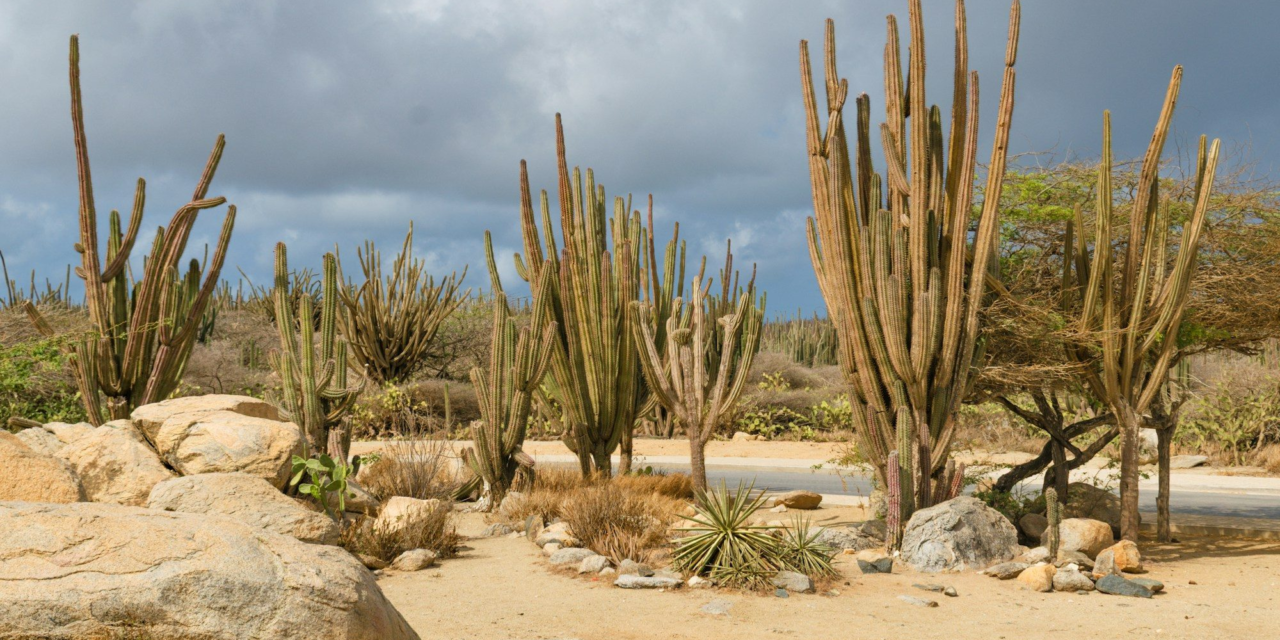
Horseback riding in Aruba gives you a slower look at the island than a jeep or UTV. You ride past cactus and boulders through the dry interior. Some routes head to the wild north coast, with ruins and rock arches along the way, and some finish at the Natural Pool. This guide covers the main route types, how morning, sunset and beach rides compare, what to wear, and the safety points to know before you book.
Horseback riding Aruba: quick answer
- Ride types: morning, midday and sunset rides. Most go through the countryside, along the north coast or into Arikok National Park.
- Popular stops: Alto Vista Chapel, California Lighthouse, the Bushiribana gold mill ruins, a small natural bridge, and the Natural Pool (Conchi).
- Experience needed: usually none. Tour listings we reviewed (October 2026) say horses are matched to each rider’s skill.
- Wear: long pants, closed shoes, sunglasses and sunscreen. Helmets are usually required.
- Swimming: the north coast has dangerous currents. Only swim where your guide says it’s safe, such as the sheltered Natural Pool.
Why ride a horse in Aruba?
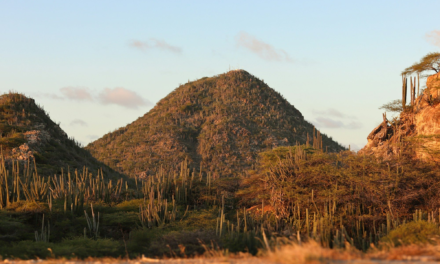
Aruba’s interior is dry. You’ll ride through cactus, scrub and big rounded boulders. A horse covers ground you’d struggle to walk in the heat, but it’s quieter and slower than a vehicle. That means you’ll notice more along the way. Frommer’s mentions iguanas and cottontail rabbits on the outback trails and describes the island’s riding horses as good-natured and calm.
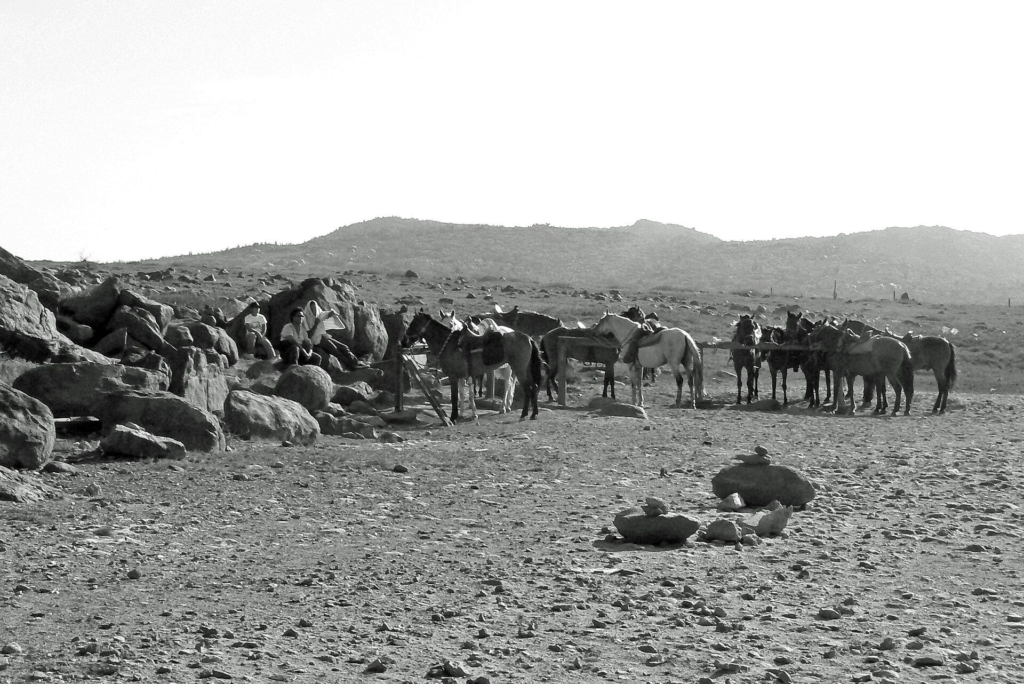
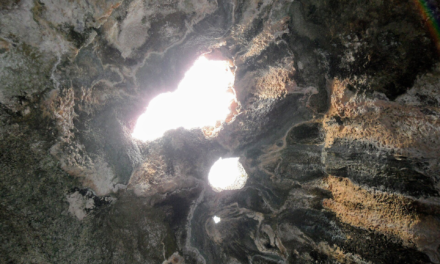
Tour listings we reviewed (October 2026) present horseback as one of the ways to see Arikok National Park’s caves and boulders, and mention rides to limestone coves.
The main types of horseback rides in Aruba
Countryside and outback rides
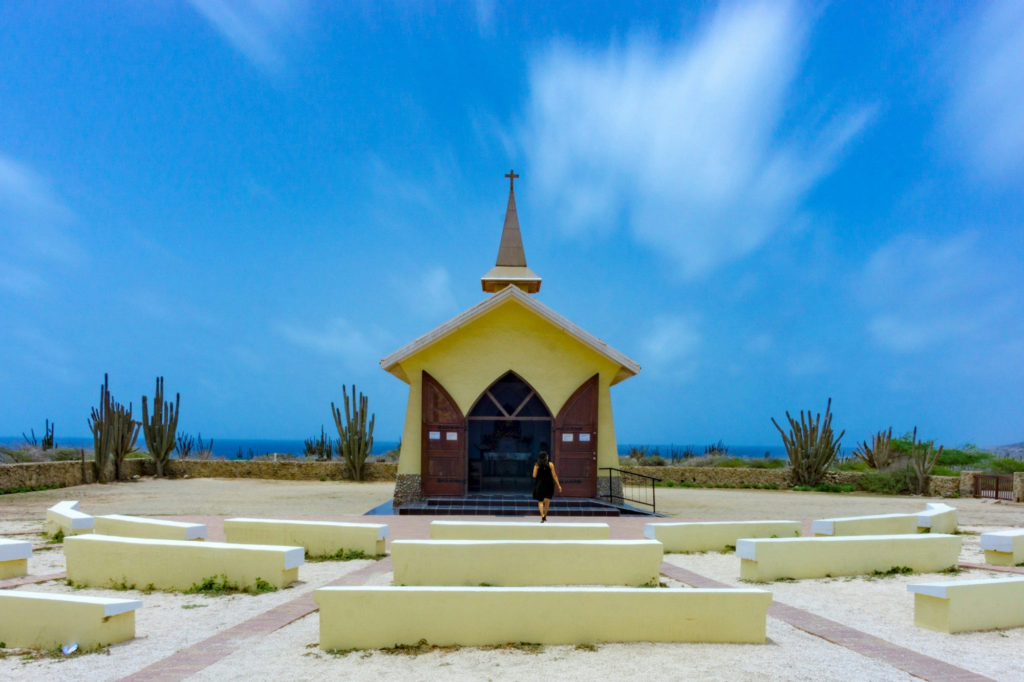
Frommer’s describes one outback route that winds through cactus and boulders, stops at Alto Vista Chapel and California Lighthouse, then follows the shoreline. The chapel and lighthouse make natural photo stops. Ask the ranch whether the route suits first-timers.
North coast rides
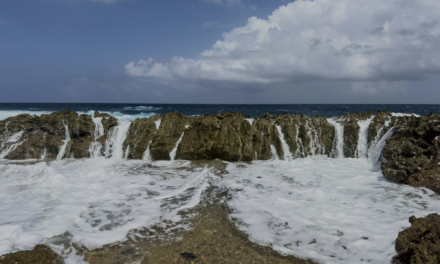
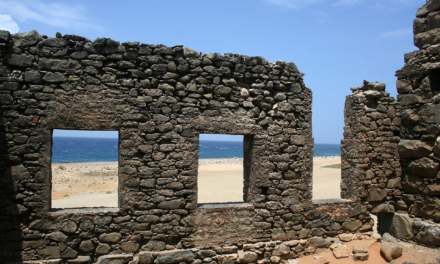
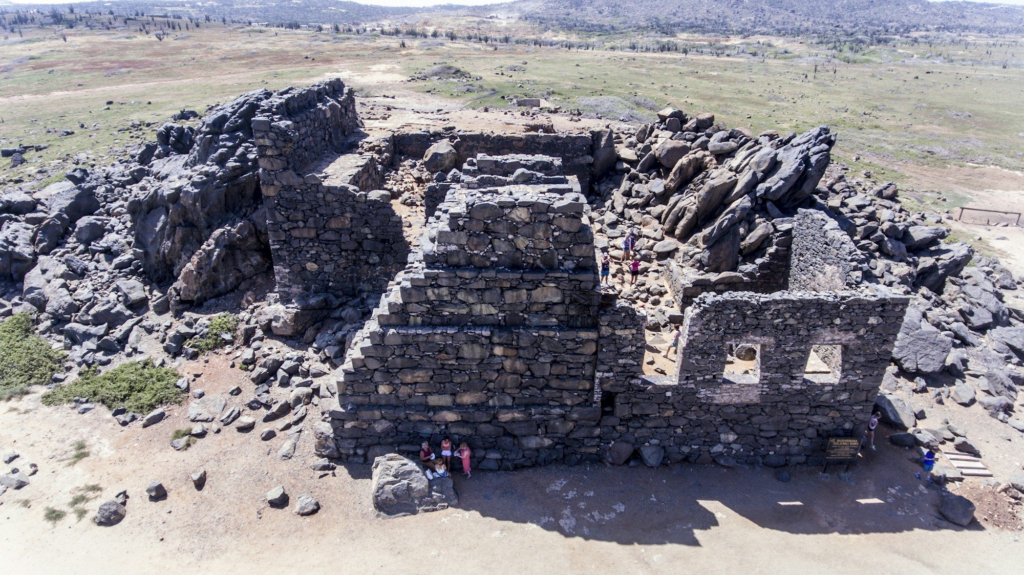
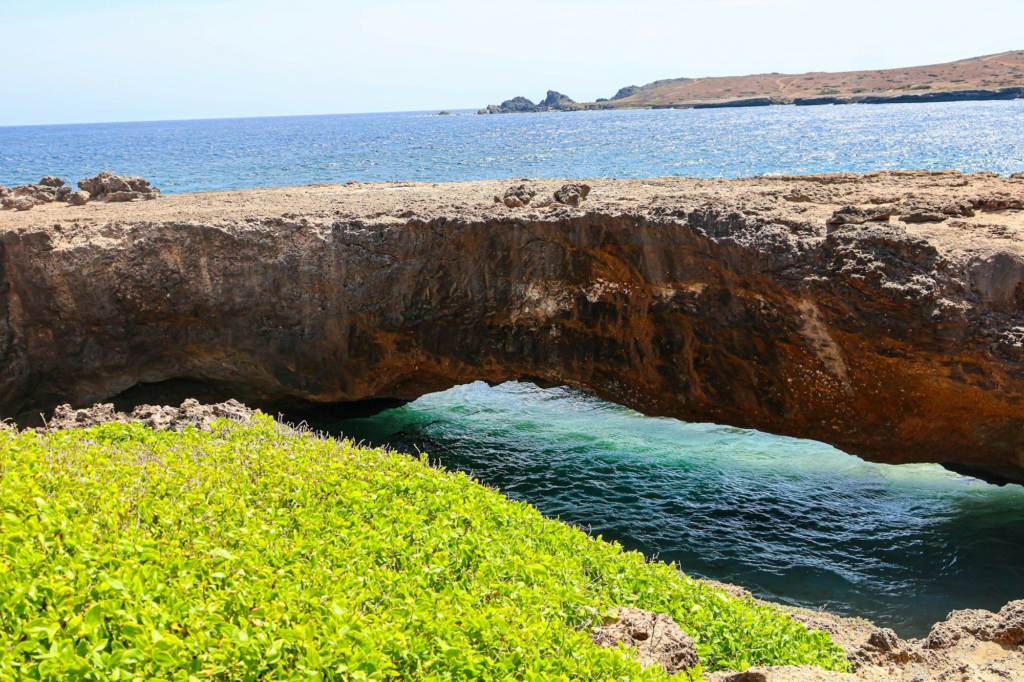
On the windward side, the scenery gets more dramatic. Some routes start near the north coast’s crashing surf and sand dunes, Frommer’s notes. Tour listings we reviewed (October 2026) name stops such as the Bushiribana gold mill ruins, a small natural bridge and north coast beaches.
Rides to the Natural Pool and Arikok
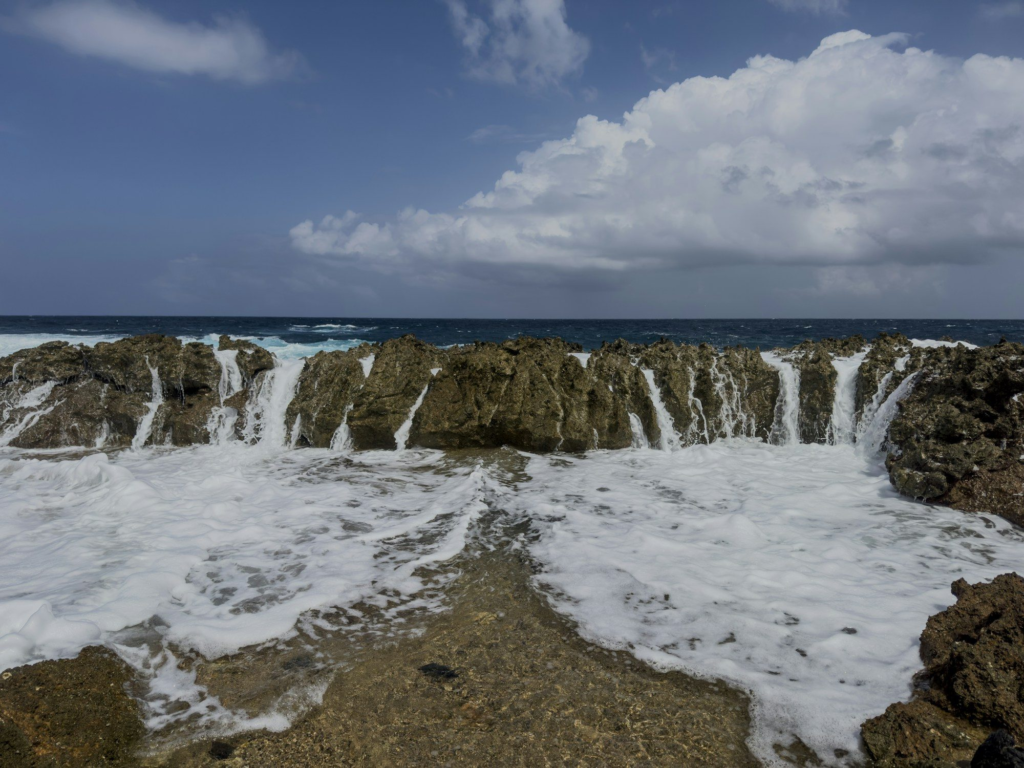
Some longer rides go into Arikok National Park and finish at Conchi, the Natural Pool. A ring of rocks shelters it from the surf. Tour listings we reviewed (October 2026) also describe rides to the Natural Pool and through Arikok with a stop to swim. Frommer’s says one two-hour ride encourages swimming and snorkeling there. Bring a swimsuit and water shoes, because Lonely Planet warns the rocks around the pool are sharp. You’ll pay the park’s conservation fee to enter, which was USD 22 per adult as of October 2026 according to the Aruba Conservation Foundation. Ask whether your ride includes it. Read more in our Natural Pool guide and Arikok National Park guide.
Beach rides
Riding on the sand is what many visitors picture. Some tour listings we reviewed (October 2026) mention beach and ocean riding. Where and when horses can go on the sand depends on the route, so ask the ranch exactly which beach you’ll visit before you book.
Morning vs. sunset rides
| Morning ride | Sunset or late-afternoon ride | |
|---|---|---|
| Heat | Cooler start, rising quickly | Cooling as the sun drops |
| Light | Clear and bright | Warm, low light for photos |
| Typical start | Around 9 a.m. in one tour listing we reviewed (October 2026) | Around 4 p.m. in the same listing |
| Best for | Families, longer rides, Natural Pool swims | Couples, photographers, shorter loops |
Frommer’s mentions morning and midday rides, and some tour listings we reviewed (October 2026) include sunset rides. If heat bothers you, skip midday. Shade is scarce on Aruba’s trails, according to Frommer’s. If you’re mainly after the view, see our list of the best sunset spots in Aruba.
What to expect on the ride
- Briefing first: one tour listing we reviewed (October 2026) includes riding and safety instructions and a bottle of water.
- Horse matching: another listing says each rider gets a horse suited to their skill. Be honest about your experience.
- Small groups: several listings we reviewed say groups are kept small.
- Getting there: some listings include transport, mostly from hotels and cruise terminals. Otherwise you’ll drive to the stables, which are often in Noord or Santa Cruz.
Ages, rider weight limits and ride lengths vary from ranch to ranch, and the listings we checked don’t publish them. Ask before you book, especially if you’re riding with children or anyone who has never been on a horse. Our guide to Aruba tours for families has more ideas for mixed-age groups.
What to wear and bring
Frommer’s says helmets are required. A cap under the helmet helps it sit snugly and keeps the sun off your face. Its clothing advice comes down to covering up: closed shoes, long sleeves and pants, plus sunglasses and sunblock. In one tour listing we reviewed (October 2026), helmets were optional for adults but mandatory for children, so check the rule when you book.
- Long, light pants.
- Closed-toe shoes or sneakers. No flip-flops.
- Sunscreen and sunglasses with a strap.
- A swimsuit under your clothes if your ride stops at the Natural Pool.
- Water. Some listings include a bottle, but take extra on long rides.
- A phone on a lanyard or in a zip pocket. Don’t hold it while the horse is moving.
For more on what to pack, see our Aruba packing list.
Safety tips
- North coast water: Frommer’s strongly advises against swimming on the north coast because of dangerous currents. Lonely Planet says swimming is forbidden at east-coast beaches such as Boca Prins. Swim only at sheltered spots your guide picks.
- Heat: drink before you start, and choose an early or late ride if you’re sensitive to sun.
- Park rules: inside Arikok, ACF forbids disturbing or feeding wildlife and taking plants, rocks or other objects.
- Listen to your guide: give the horse space on rocky downhill sections, and tell the guide right away if you feel unsteady.
Prefer wheels? Other ways to see the same places
If you’d rather cover more ground in a day, a jeep or UTV tour hits many of the same north coast stops. Our north coast adventure guide lays out the route, and the trip is easier with a guide who knows the dirt tracks.
FAQ
Do I need riding experience to go horseback riding in Aruba?
Usually not. Tour listings we reviewed (October 2026) say horses are matched to each rider’s ability. Tell them your experience level when you book.
Can you ride horses on the beach in Aruba?
Some rides include beach or shoreline sections. Where horses can go varies by route, so ask the ranch which beach you’ll visit.
Can you swim during a horseback ride in Aruba?
On some rides, yes. Rides that stop at the sheltered Natural Pool often include a swim. Don’t swim on the open north coast, which has dangerous currents.
What should I wear horseback riding in Aruba?
Long pants, closed shoes, sunglasses and sunscreen. Helmets are usually required, and a baseball cap underneath helps with fit and shade.
Is horseback riding in Aruba good for kids?
It can be. Age and size rules vary by ranch and aren’t always published, so ask first. In one tour listing we reviewed (October 2026), helmets were mandatory for children.
When is the best time of day to ride?
Early morning or late afternoon, when it’s cooler. Midday rides are hot, and there’s little shade.